2026/03/13

The Highest Rated Sake by Wine Critics

What the Scores Actually Mean


The glass never lies. What critical recognition in sake truly means, and how the world's most discerning palates evaluate the pour.

The highest rated sake by wine critics are expressions that perform consistently across professional tastings, blind competitions, and the tables of the world's most discerning chefs. These ratings are built on balance, craftsmanship, and how precisely a sake expresses the finest qualities of its category. "Highest rated" is not a fixed position, it is a track record.

At HEAVENSAKE, every expression is composed to earn that track record. Born from Japan's most acclaimed breweries, shaped by Régis Camus, 8x Best Champagne Cellar Master, through Assemblage, the artistic act that elevates sake into something genuinely new.

Who Rates Sake and Why It Matters

Sake evaluation has become a serious international discipline. The voices that carry the most weight are those trained to assess flavor, structure, and technique across hundreds of expressions, professionals who compare sake not only within the category, but against the world's finest beverages.

International wine critics bring comparative frameworks. Sake specialists, certified kikisake-shi, evaluate within a deep technical understanding of rice variety, polishing ratio, and regional style. Panels at the International Wine Challenge, the Kura Master in France, and the Annual Japan Sake Awards conduct structured blind tastings that remain the most reliable quality signals in the category. And Michelin-starred chefs carry their own critical weight: does this sake belong alongside the world's finest cuisine?


How Critics Evaluate Sake

Professional sake assessment follows a consistent framework, and understanding it reveals why certain expressions rise consistently to the top.

Aroma and visual clarity come first. A great sake is luminous, the nose expressive and layered with floral, fruity, and mineral notes. Balance follows: on the palate, no single element, sweetness, acidity, umami, alcohol, should dominate. The finish, what the Japanese call ma, the silence after the last note, separates exceptional sake from merely good sake. And technical precision, rice polishing ratio, fermentation control, water purity, is the invisible architecture beneath every great pour.

HEAVENSAKE has earned recognition across all these dimensions. Press coverage in Forbes, collaborations with Michelin-starred chefs, and the trust of sommeliers across fine dining globally reflect not a single score, but sustained quality that holds across contexts.


What 'Highest Rated' Actually Means

There is no permanent number one sake. The category is alive, new harvests, new Assemblages, new tastings. What the designation "highest rated" truly signals is repeated performance: consistent scores across multiple competitions over time, recognition that travels between evaluation contexts, a quality floor that never drops.

One extraordinary harvest does not define a great sake house. Consistency does. Prestige I, on the other hand, is earned over decades, through heritage, mastery, and the trust of the people who know the category best. The sake that earns both is rare.

The Breweries Behind The Glass

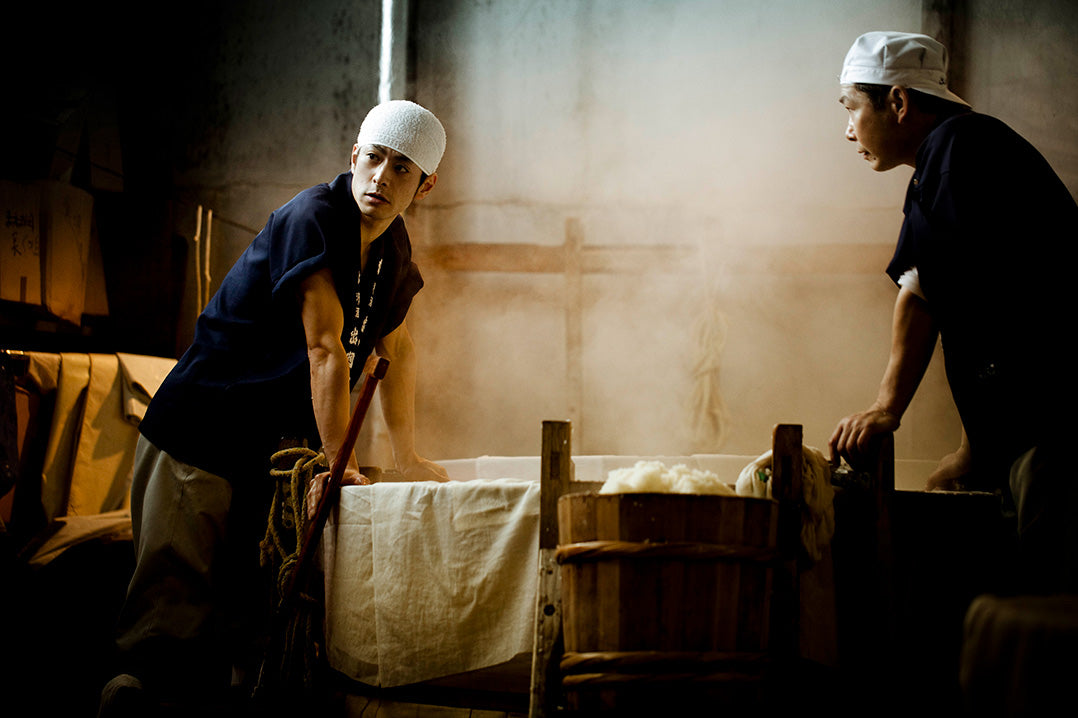
The expressions that earn sustained critical recognition are not the result of fortunate batches. They are the outcome of choosing the right partners: Niizawa Sake Brewery, Noguchi Naohiko Sake Institute, Urakasumi, Shichiken, Dewazakura.

Each partnership carries one non-negotiable condition: HEAVENSAKE expressions must be distinctly different from anything these breweries produce alone. That is not a commercial requirement. It is an artistic one.


How To Choose Sake Using Critic Ratings

Ratings are most useful as a shortlist, not a mandate. They signal that a sake has passed a rigorous quality threshold, which reduces risk, especially when choosing expressions you have not yet tasted.

The most effective approach: use ratings to narrow the field, then apply personal considerations, flavor profile, occasion, the person across the table. Pay more attention to repeated recognition across multiple competitions than to a single high score. Look for breweries, not only bottles, a great kura produces consistently across expressions.

The highest rated sake by wine critics give you confidence before the first pour. HEAVENSAKE expressions, composed by the world's most decorated Champagne cellar master, drawn from Japan's most acclaimed breweries, are designed to earn that confidence, and hold it, glass after glass.

2026/03/13

The Highest Rated Sake by Wine Critics

What the Scores Actually Mean

Three sake bottles of Heavensake with different colored caps on a marble surface with a neutral background

The glass never lies. What critical recognition in sake truly means, and how the world's most discerning palates evaluate the pour.

The highest rated sake by wine critics are expressions that perform consistently across professional tastings, blind competitions, and the tables of the world's most discerning chefs. These ratings are built on balance, craftsmanship, and how precisely a sake expresses the finest qualities of its category. "Highest rated" is not a fixed position, it is a track record.

At HEAVENSAKE, every expression is composed to earn that track record. Born from Japan's most acclaimed breweries, shaped by Régis Camus, 8x Best Champagne Cellar Master, through Assemblage, the artistic act that elevates sake into something genuinely new.

Who Rates Sake and Why It Matters

Sake evaluation has become a serious international discipline. The voices that carry the most weight are those trained to assess flavor, structure, and technique across hundreds of expressions, professionals who compare sake not only within the category, but against the world's finest beverages.

International wine critics bring comparative frameworks. Sake specialists, certified kikisake-shi, evaluate within a deep technical understanding of rice variety, polishing ratio, and regional style. Panels at the International Wine Challenge, the Kura Master in France, and the Annual Japan Sake Awards conduct structured blind tastings that remain the most reliable quality signals in the category. And Michelin-starred chefs carry their own critical weight: does this sake belong alongside the world's finest cuisine?


How Critics Evaluate Sake

Professional sake assessment follows a consistent framework, and understanding it reveals why certain expressions rise consistently to the top.

Aroma and visual clarity come first. A great sake is luminous, the nose expressive and layered with floral, fruity, and mineral notes. Balance follows: on the palate, no single element, sweetness, acidity, umami, alcohol, should dominate. The finish, what the Japanese call ma, the silence after the last note, separates exceptional sake from merely good sake. And technical precision, rice polishing ratio, fermentation control, water purity, is the invisible architecture beneath every great pour.

HEAVENSAKE has earned recognition across all these dimensions. Press coverage in Forbes, collaborations with Michelin-starred chefs, and the trust of sommeliers across fine dining globally reflect not a single score, but sustained quality that holds across contexts.


What 'Highest Rated' Actually Means

There is no permanent number one sake. The category is alive, new harvests, new Assemblages, new tastings. What the designation "highest rated" truly signals is repeated performance: consistent scores across multiple competitions over time, recognition that travels between evaluation contexts, a quality floor that never drops.

One extraordinary harvest does not define a great sake house. Consistency does. Prestige I, on the other hand, is earned over decades, through heritage, mastery, and the trust of the people who know the category best. The sake that earns both is rare.

The Breweries Behind The Glass

The expressions that earn sustained critical recognition are not the result of fortunate batches. They are the outcome of choosing the right partners: Niizawa Sake Brewery, Noguchi Naohiko Sake Institute, Urakasumi, Shichiken, Dewazakura.

Each partnership carries one non-negotiable condition: HEAVENSAKE expressions must be distinctly different from anything these breweries produce alone. That is not a commercial requirement. It is an artistic one.


How To Choose Sake Using Critic Ratings

Ratings are most useful as a shortlist, not a mandate. They signal that a sake has passed a rigorous quality threshold, which reduces risk, especially when choosing expressions you have not yet tasted.

The most effective approach: use ratings to narrow the field, then apply personal considerations, flavor profile, occasion, the person across the table. Pay more attention to repeated recognition across multiple competitions than to a single high score. Look for breweries, not only bottles, a great kura produces consistently across expressions.

The highest rated sake by wine critics give you confidence before the first pour. HEAVENSAKE expressions, composed by the world's most decorated Champagne cellar master, drawn from Japan's most acclaimed breweries, are designed to earn that confidence, and hold it, glass after glass.