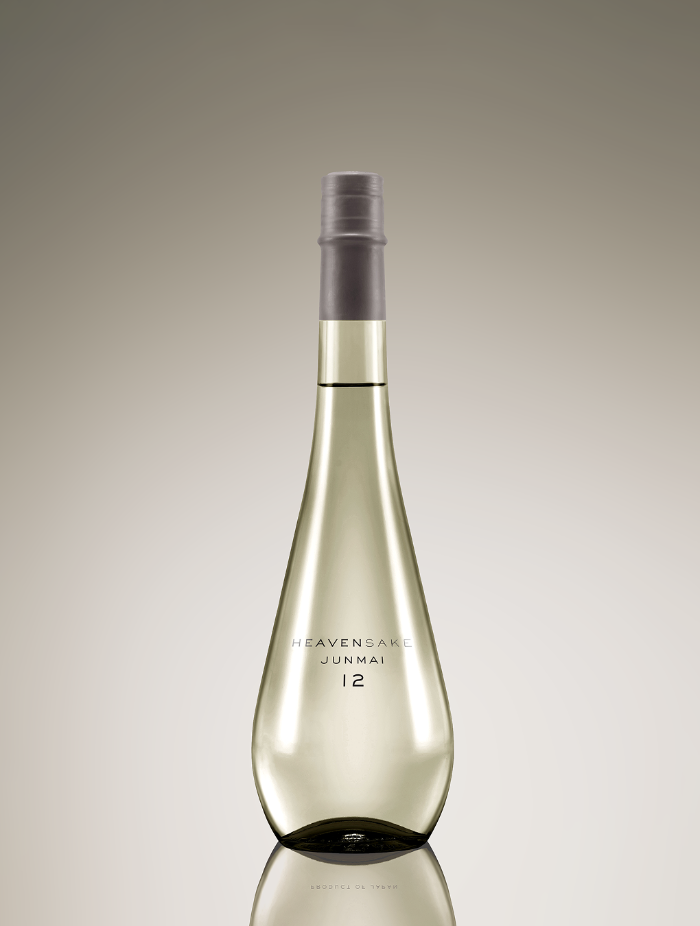
PRESTIGE I
PRESTIGE I
RÉGIS CAMUS & NOGUCHI NAOHIKO
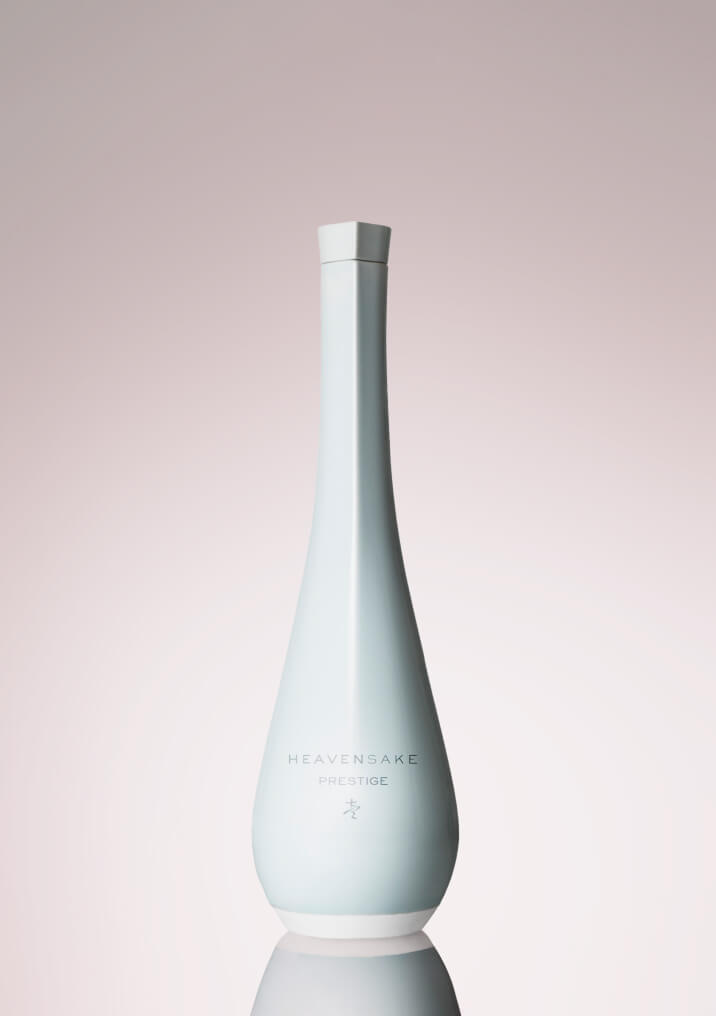
A SYMPHONY OF TASTE AND TRADITION
THIS MASTERFULLY BALANCED COMPOSITION FROM RÉGIS CAMUS IN COLLABORATION WITH THE LEGENDARY “GOD OF SAKE” NOGUCHI NAOHIKO IS AN ENCHANTING ODE TO THE JOYS OF ASSEMBLAGE THAT COULD ONLY BE CREATED BY TWO OF THE GREATEST ICONS OF THEIR ART.
CRAFTED USING UNRELEASED SAKE IN NOGUCHI-SAN’S ARCHIVE, THIS ETHEREAL CREATION TRANSCENDS THE BOUNDARIES OF SAKE FLAVORS. SIMULTANEOUSLY MAJESTIC, COMPLEX AND DELICATE, THIS UNIQUE ASSEMBLAGE HIGHLIGHTS VIBRANT LAYERS OF PEACH, MANGO AND IRIS COMPLEMENTED BY SILKY MOUTHFEEL AND PERFECT LENGTH.
CHARACTERISTICS
| Alcohol | 18.5% |
|---|---|
| Volume | 720ml |
| Category | Assemblage |
| Taste Profile | Complex & Vibrant |
OUR BREWERY PARTNER

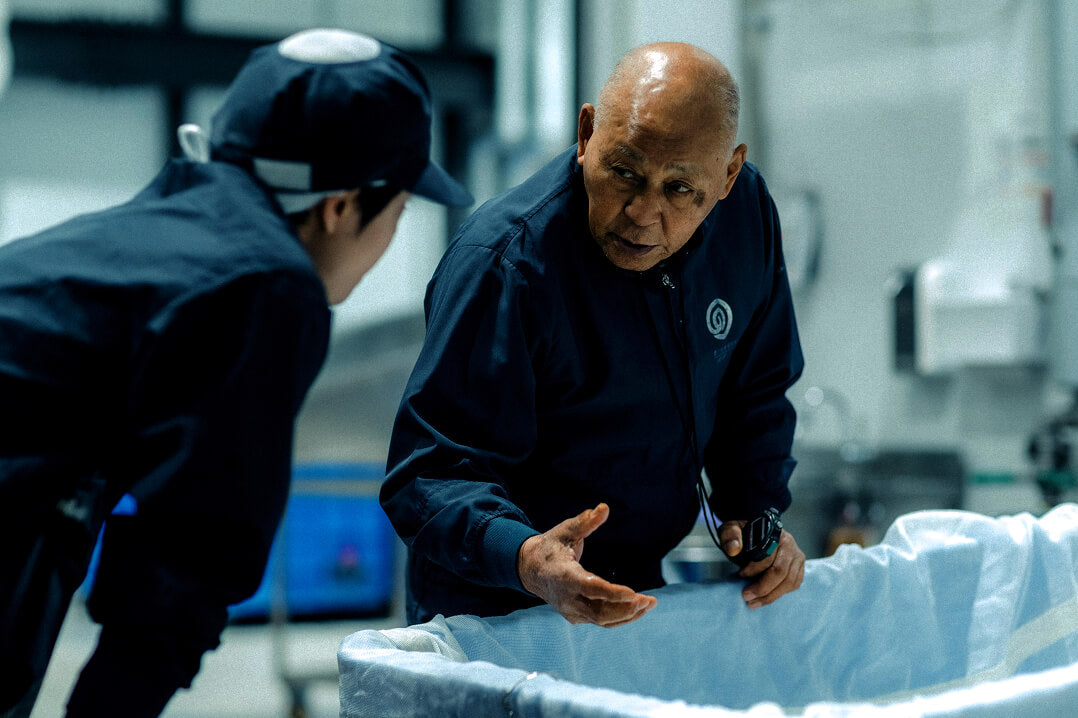
- NOGUCHI NAOHIKO
- KNOWN AS “THE GOD OF SAKE,” HE HAS DEDICATED MORE THAN SEVEN DECADES TO REFINING HIS CRAFT. HIS PRESENT BREWERY, THE NOGUCHI NAOHIKO SAKE INSTITUTE IN THE MOUNTAINS OF ISHIKAWA, WAS FOUNDED IN 2017. WHEN RÉGIS CAMUS MET NOGUCHI-SAN, MASTERS FROM TWO DIFFERENT WORLDS CAME TOGETHER IN A SHARED PURSUIT OF PERFECTION, GIVING LIFE TO PRESTIGE I
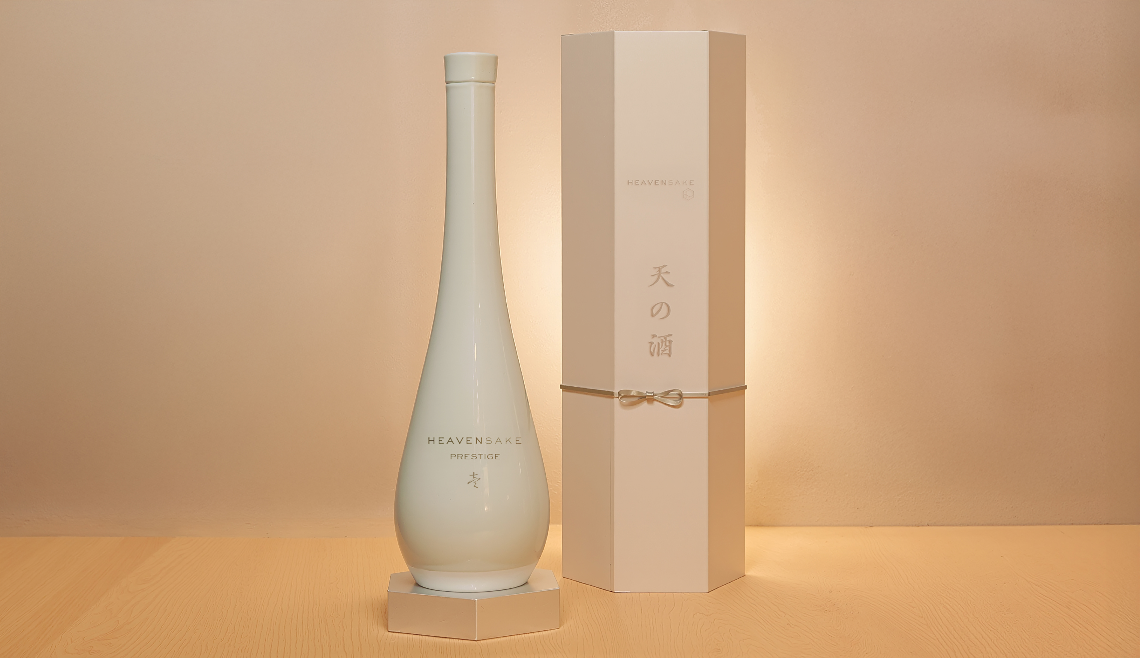
220 YEARS OF ARITA PORCELAIN MASTERY
- AN UNPRECEDENTED EXPRESSION OF ARTISANSHIP AND ELEGANCE. EACH BOTTLE CAPTURES THE SPIRIT OF ELEVATED PLEASURE, CREATED FOR TRUE CONNOISSEURS SEEKING RARITY. EACH ARITA PORCELAIN BOTTLE IS THE RESULT OF METICULOUS HANDCRAFTING, ITS INTRICATE FORM DEFYING THE NOTION OF MASS PRODUCTION.
RÉGIS CAMUS’S TIME-HONORED ASSEMBLAGE, PRECISE, LAYERED, AND DEEPLY ARTISANAL, ALLOWS FOR ONLY THE MOST LIMITED CREATION.
TASTING NOTES
AROMA: SOOTHING MINERALITY, COMPLEX AND RICH,
YELLOW PEACH, MANGO, IRIS
TASTE: NOTES OF EXOTIC FRUIT, ALMOND FINANCIERS,
PASSION FRUIT, ACACIA HONEY, PINEAPPLE, KIWI
AROMA
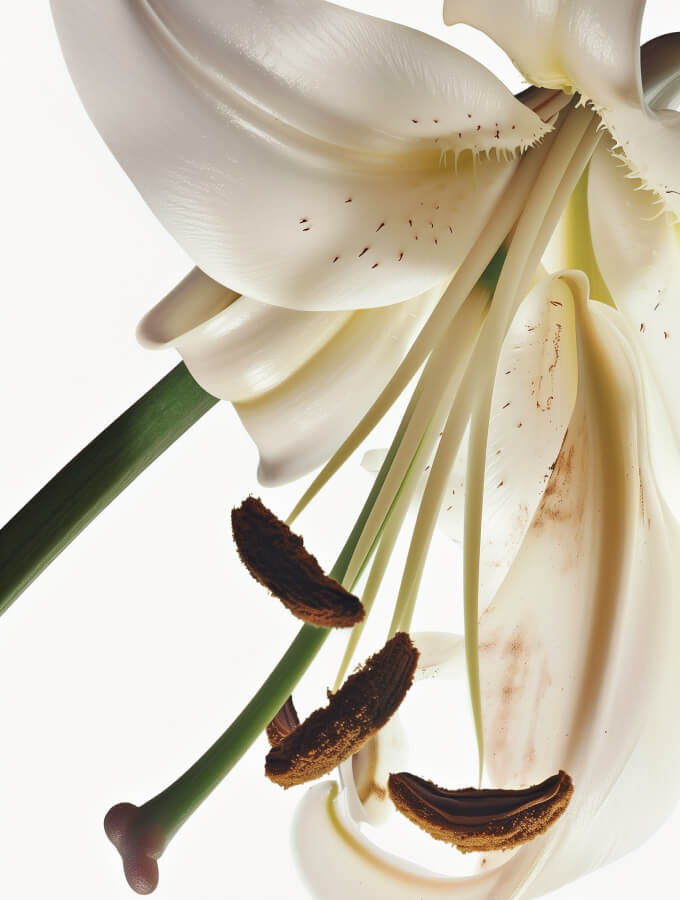
PREDOMINANTLY TROPICAL WITH HINTS OF GREEN PINEAPPLE AND AMALFI LEMON, EMBRACED BY LAYERS OF BLOSSOM AND SPICE ON A BED OF CRUSHED ALMOND. AROMAS OF ROSE PETAL, NOTES OF EXOTIC FRUITS, ALMOND FINANCIER, PASSION FRUIT, ACACIA HONEY, PINEAPPLE, KIWI.
TASTE
THE EXPRESSION IS LUSH AND IMPACTFUL WITH AN UNDERLYING ACIDITY THAT LIFTS THE MID PALATE AND EXTENDS INTO A LINGERING FINISH. ELEGANT AND ELEVATED, WITH FRUITINESS FOLLOWED BY MARZIPAN AND EARTHIER, UMAMI NOTES IN A NUANCED FINISH. DELICATELY LAYERED AND UNFOLDING WITH QUIET COMPLEXITY.
PAIRINGS
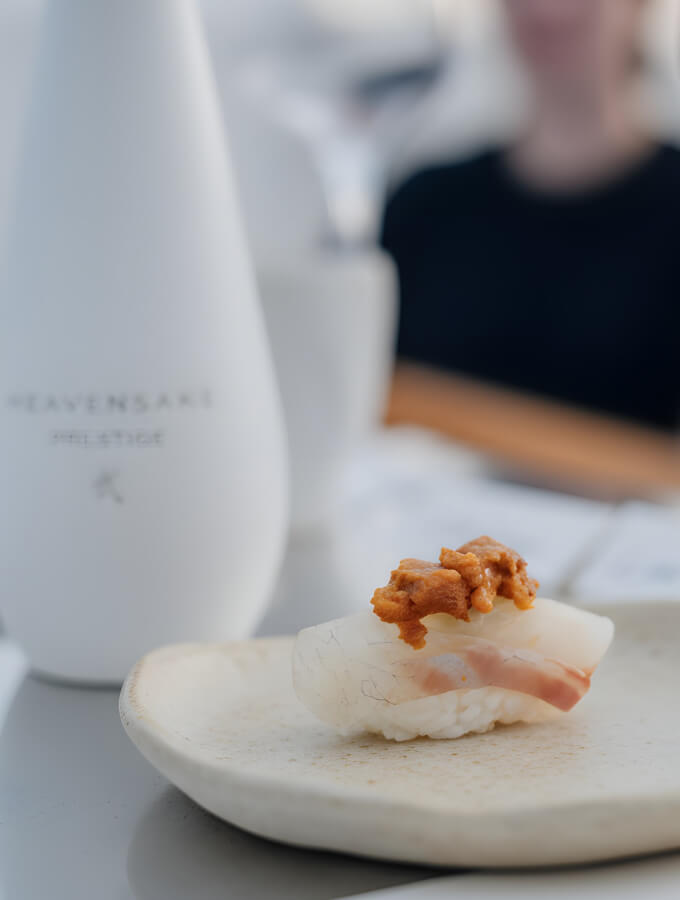
CHU-TORO
FATTY TUNA
CHARCOAL GRILLED WAGYU
SERVE & STORE
SERVE CHILLED IN A WINE GLASS.
STORE UPRIGHT IN A FRIDGE OR COOL AND DARK PLACE.
ENJOYABLE UP TO 2 WEEKS AFTER OPENING.
AWARDS

OUR JOURNEY
THE REVOLUTION BEGAN IN 2016, WHEN FRENCH CELLAR MASTER RÉGIS CAMUS DISCOVERED SAKE'S UNTAPPED POTENTIAL. NOT AS TRADITION FROZEN IN TIME, BUT AS LIQUID POETRY
WAITING TO BE COMPOSED.
WHAT IF CHAMPAGNE'S ART OF ASSEMBLAGE COULD UNLOCK NEW HARMONIES IN JAPAN'S ANCIENT CRAFT? IF EAST AND WEST COULD CREATE SOMETHING NEITHER COULD ACHIEVE ALONE?
HEAVENSAKE WAS BORN FROM THIS CURIOSITY
BUILDING A BRIDGE BETWEEN CULTURES.
"PURE ELEVATION" SHARED ACROSS CONTINENTS.



RÉGIS CAMUS & NOGUCHI NAOHIKO
ASSEMBLAGE
Consumption of alcohol by persons under 21 is
prohibited by law.
- SHIPPING
- Orders are fulfilled by Sipsy or our licensed retail partners.
- RETURNS & EXCHANGES
- For an incorrect, spoiled or contaminated item, email flow@heavensake.com on the day it arrives and include photographs. Please check your item as soon as it arrives to ensure there are no defects. Report delivery damage to the carrier at delivery and keep the item and its packaging. Returns and refunds follow Sipsy's policy.


FAQ
- WHAT MAKES PRESTIGE I THE ULTIMATE HEAVENSAKE EXPRESSION?
- Crafted from unreleased sake in the personal archive of Noguchi Naohiko, the "God of Sake," Prestige I is simultaneously majestic, complex, and delicate. A pinnacle of assemblage art, available in extremely limited quantities.
- WHAT DOES PRESTIGE I TASTE LIKE?
- Nose: yellow peach, mango, iris, and soothing minerality. Palate: exotic fruit, almond financier, passion fruit, and acacia honey. Lush, impactful, with a lingering finish that closes on marzipan and earthy umami notes.
- WHO IS NOGUCHI NAOHIKO AND WHY IS THIS COLLABORATION SO RARE?
- Revered as the "God of Sake," Noguchi Naohiko has given seven decades of devotion to the craft. His present brewery, the Noguchi Naohiko Sake Institute in Ishikawa, was founded in 2017. The sake in Prestige I comes from his personal archive: batches never previously released to the public.
- WHY IS PRESTIGE I PRESENTED IN AN ARITA PORCELAIN BOTTLE?
- Each bottle is meticulously handcrafted from Arita porcelain, representing 220 years of Japanese ceramic mastery. It is an object of art in itself, as precise and artisanal as the sake it contains.
- WHY ARE PEOPLE CHOOSING PRESTIGE I AS A LUXURY GIFT?
- Crafted from a legendary master's unreleased archive and presented in a hand-finished Arita porcelain bottle, Prestige I is a collectible object of art for the most discerning connoisseurs.
- WHAT FOOD PAIRS BEST WITH PRESTIGE I?
- Its deep umami and 18.5% ABV structure pair beautifully with chu-toro, fatty tuna, and charcoal-grilled wagyu. Reserved for the most memorable occasions.