


What Makes a Sake Dry
Little sweetness can leave plenty to discover.
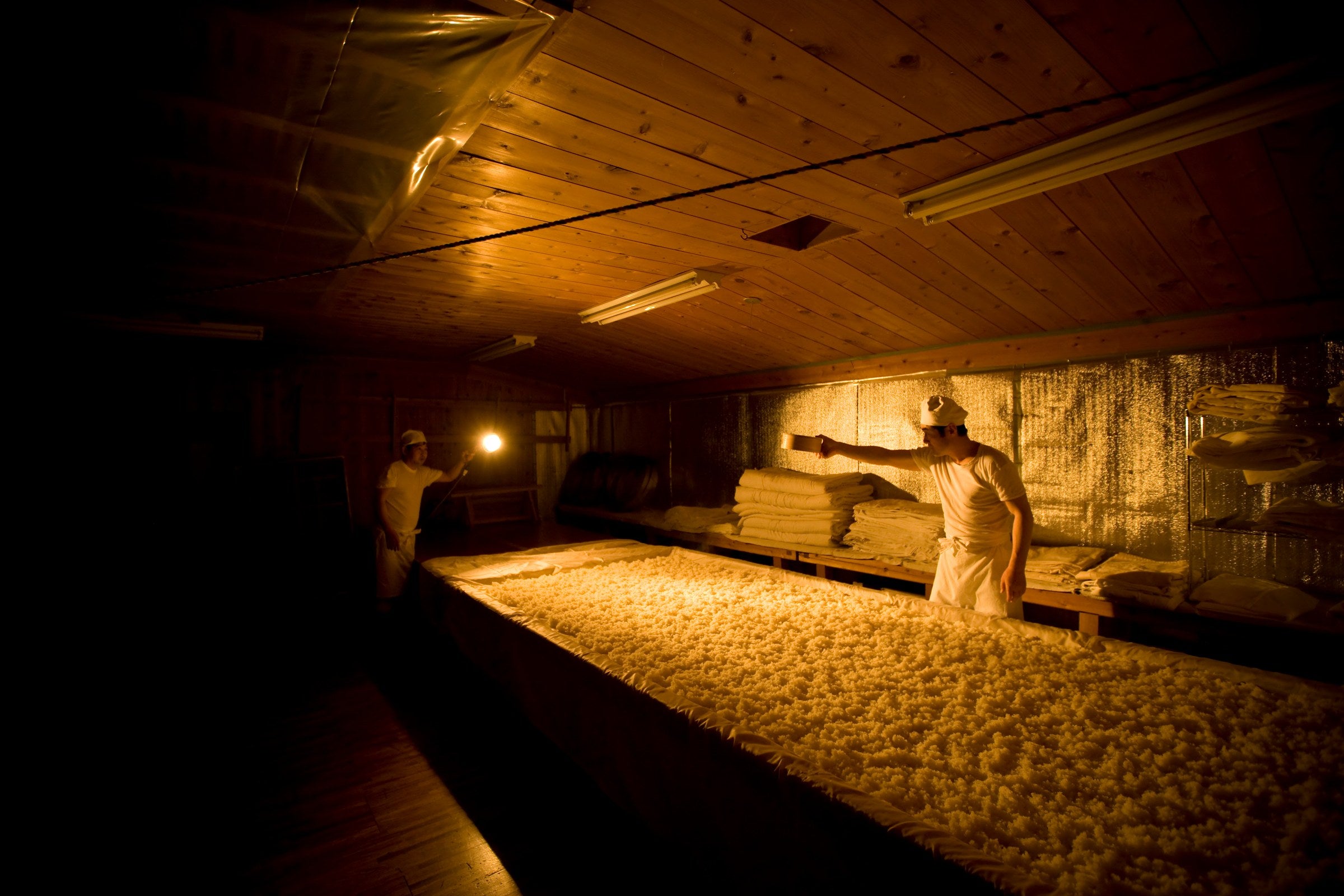
Dry sake has little noticeable sweetness. As sake brews, yeast turns sugar into alcohol. Sugar left afterward contributes sweetness, while acidity can make that sweetness less noticeable. Together, they shape how dry the sake tastes.
That leaves room for plenty of character. A dry sake can smell of ripe pear and feel silky.
What does dry sake taste like?
Bring the glass to your nose. You might find apple, pear or melon. Those aromas can belong to a sake with very little sweetness on the tongue. “Dry finish” describes that same lack of sweetness in the aftertaste.
Dry sake can also feel light and delicate or rich and rounded. Sweetness and texture are different pleasures to notice. Dry describes the taste. It does not mean sugar-free.
How do you choose a dry sake?
Start with the maker’s tasting description. Look for “dry” or the Japanese word karakuchi. The word junmai means no added distilled alcohol; it does not guarantee a dry taste.
You may also see a sake meter value, or SMV. This compares sake’s weight with the same volume of water. Alcohol content also affects SMV, so it is not a direct measure of sugar. Plus numbers tend to suggest drier sake and minus numbers sweeter sake, but the reading misses part of the taste, including how acidity balances sweetness.
Our LABEL NOIR, composed with Niizawa, shows why this matters. Its SMV is -2.4, yet it tastes light and dry: light in the mouth, with little noticeable sweetness. The minus sign alone would give you the wrong expectation. The Comprehensive Guide to Japanese Sake explains why the number cannot tell the whole story.
A bottle to open first
We would start with LABEL AZUR. There is pear and apple to enjoy, a silky feel, then a dry aftertaste. French Cellar Master Régis Camus and Dewazakura in Yamagata compose it through Assemblage: tasting the brewery’s finished sakes together and choosing how much of each brings fruit, freshness and texture to the glass.
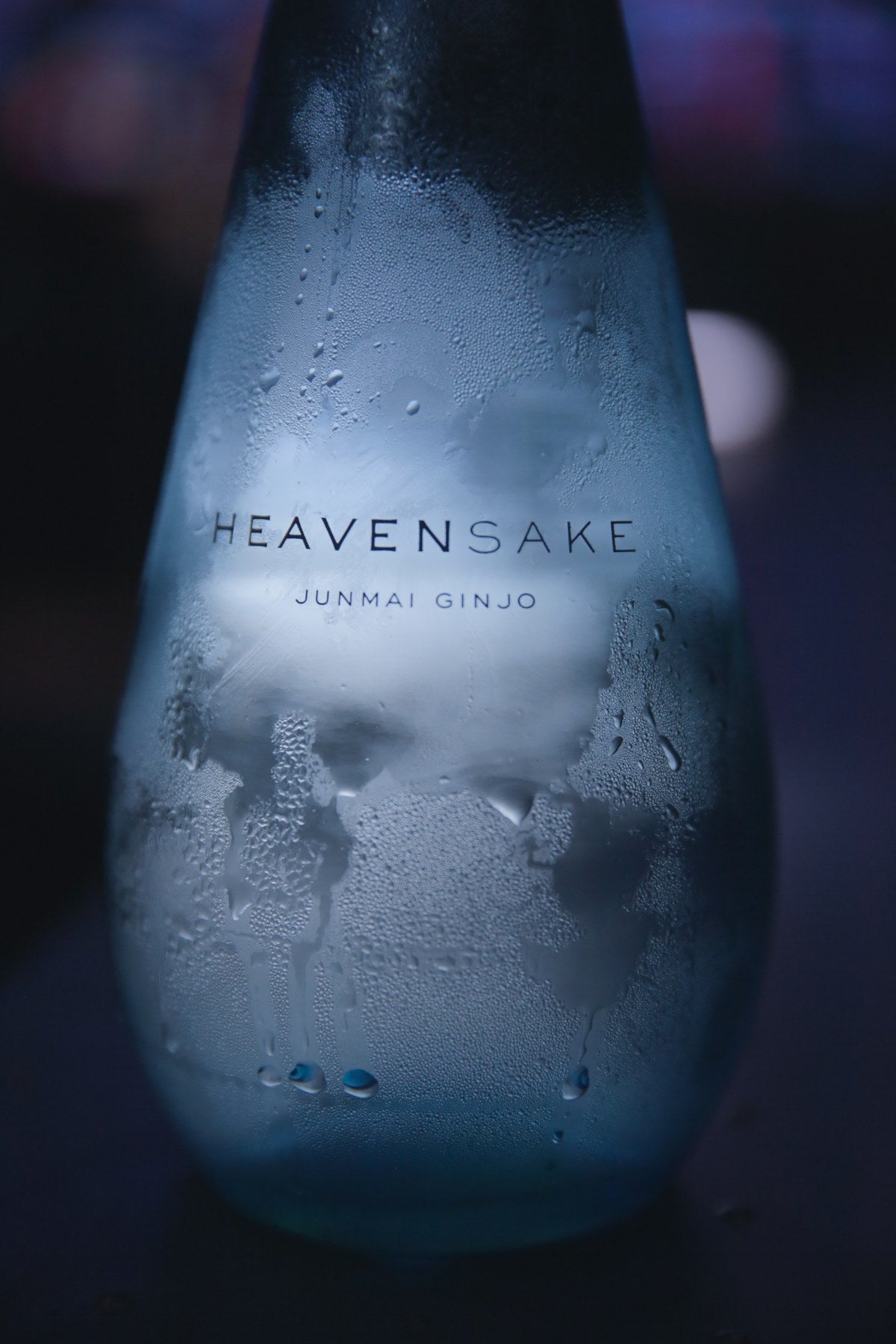
Serve it chilled in a white wine glass, with goat cheese on the table and someone to share it with.


