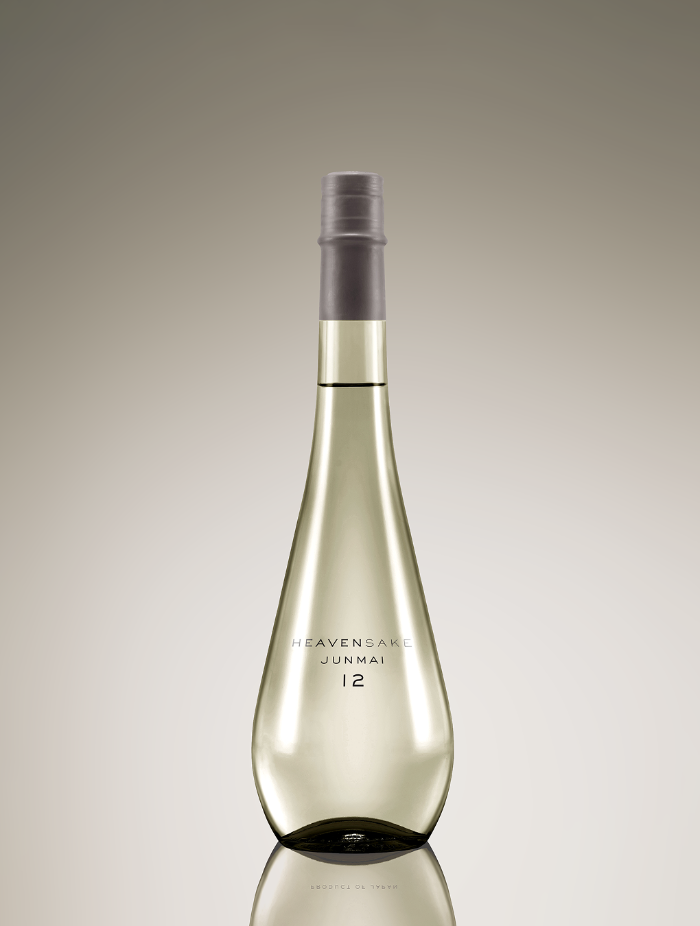
LABEL NOIR
LABEL NOIR
RÉGIS CAMUS & NIIZAWA
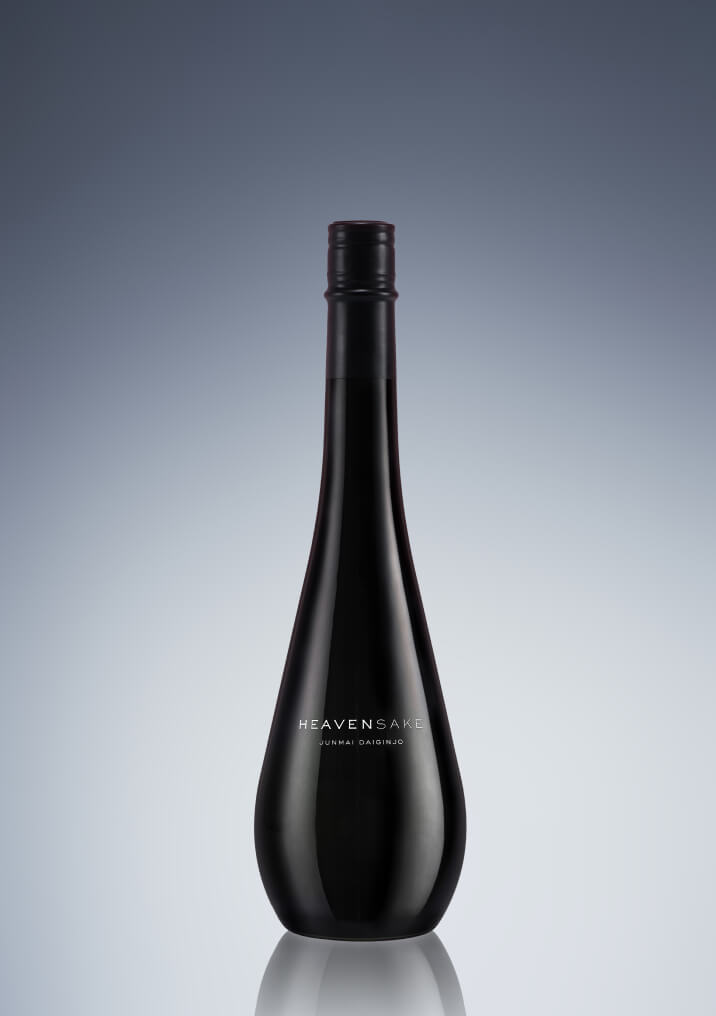
FLORAL, ELEGANT, SMOOTH
OUR MOST DELICATE EXPRESSION, CREATED IN COLLABORATION WITH THE LEGENDARY NIIZAWA BREWERY AND BALANCED TO PERFECTION BY ASSEMBLAGE MASTER RÉGIS CAMUS. LABEL NOIR IS DELICATELY FLORAL WITH VIBRANT FLAVORS OF EARLY SUMMER FRUITS. AROMAS OF CANTALOUPE, TANGERINE, LYCHEE AND RIPE APPLE LEAD TO A MINERAL PALATE WITH REFRESHING ACIDITY AND A LINGERING FINISH. THIS GEM FROM NIIZAWA WILL LEAVE YOU IN AWE. PERFECT FOR MOMENTS OF REFINED CELEBRATION, FROM THE MOUNTAINS OF MIYAGI TO THE WORLD'S MOST DISCERNING TABLES.
CHARACTERISTICS
| Alcohol | 15% |
|---|---|
| Volume | 720ml |
| Category | Junmai Daiginjo |
| Taste Profile | Light & Dry |
| Acidity | 1.6 |
| Sake Meter Value (SMV) | -2.4 |
TASTING NOTES
AROMA: CANTALOUPE, TANGERINE, LYCHEE
TASTE: REFRESHING ACIDITY, MINERALITY, RIPE FRUIT
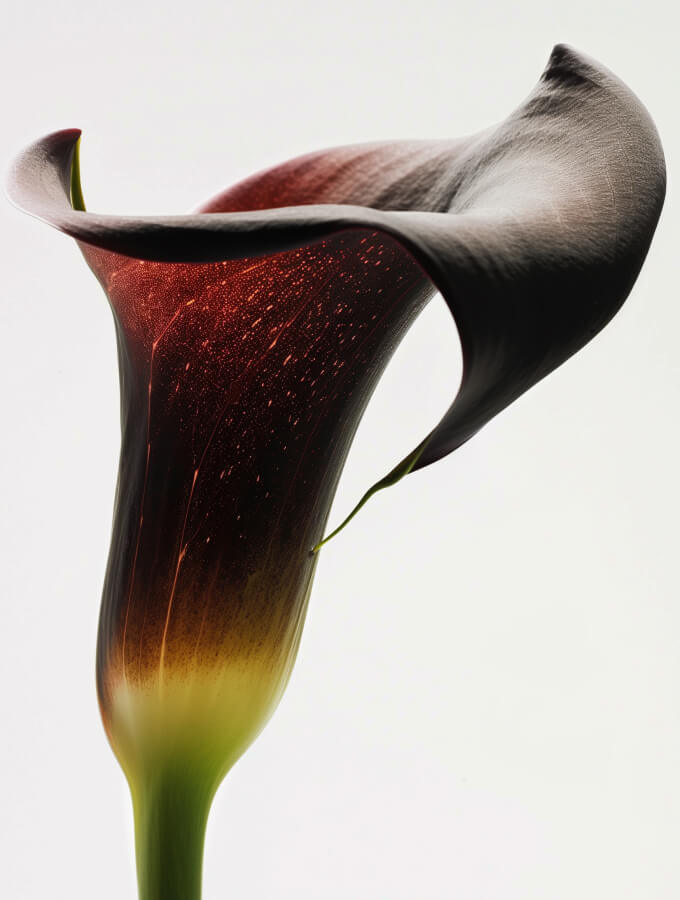
AROMA
OPENS WITH DELICATE FLORAL AROMAS ALONGSIDE FRESH EARLY SUMMER FRUITS: CANTALOUPE, TANGERINE AND RIPE APPLE, WITH SWEET LYCHEE ADDING A LAYER OF COMPLEXITY.
TASTE
A STRUCTURED PALATE WITH MINERAL CHARACTER AND REFRESHING RIPE FRUIT ACIDITY. THE MOUTHFEEL IS LIGHT, WITH FRUITY RICHNESS THAT LINGERS THROUGH THE FINISH.
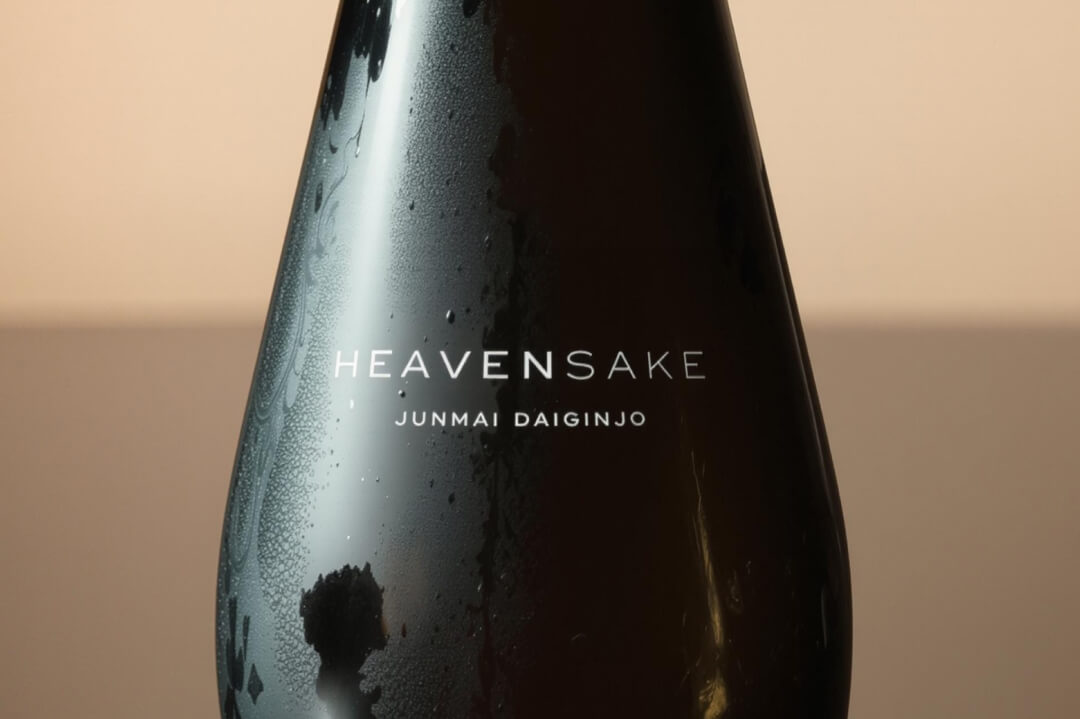
PAIRINGS
UNI, LOBSTER, CAVIAR
PATA NEGRA, IBERICO HAM
PARMIGIANO REGGIANO
INGREDIENTS WITH STRONG UMAMI
SERVE & STORE
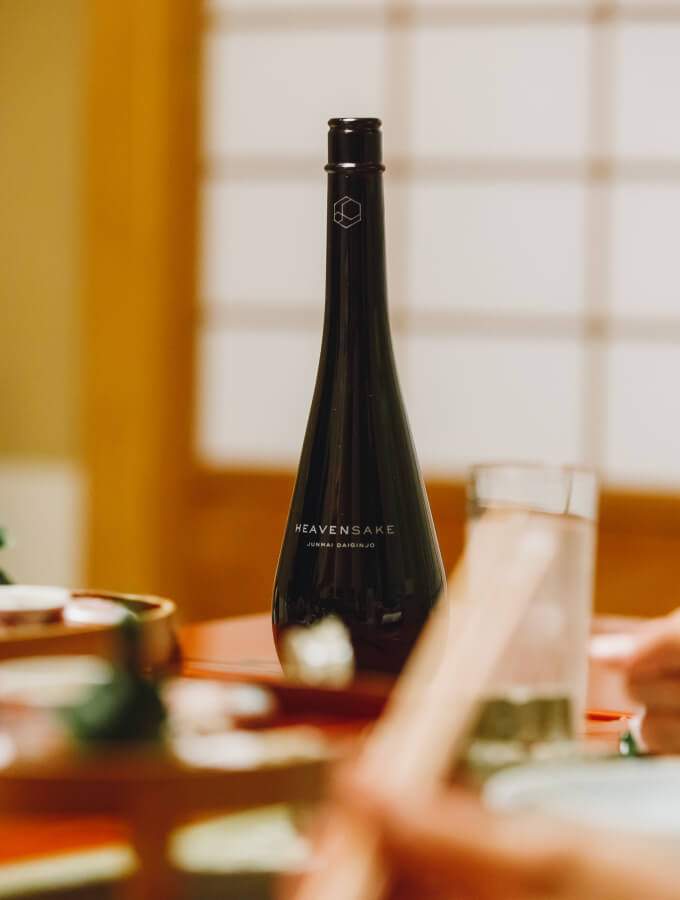
SERVE CHILLED IN A WINE GLASS.
STORE UPRIGHT IN A FRIDGE OR COOL, DARK PLACE
ENJOYABLE UP TO 2 WEEKS AFTER OPENING
OUR BREWING PARTNER

- NIIZAWA
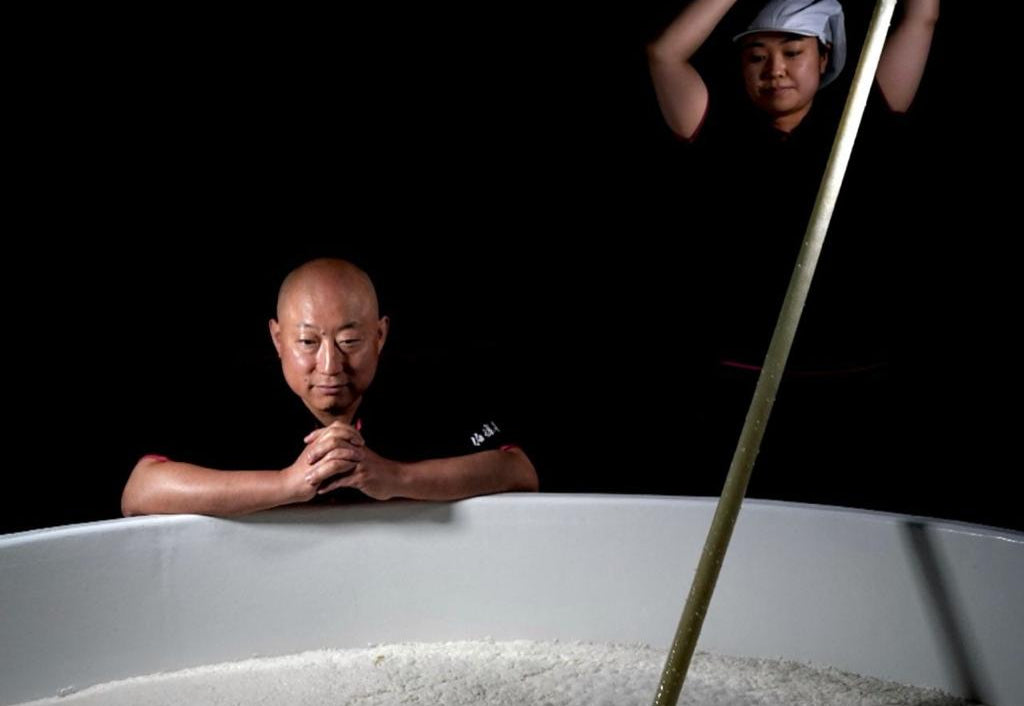
- IN MIYAGI PREFECTURE, NIIZAWA BREWERY STANDS AS A SYMBOL OF RESILIENCE AND RENEWAL. DESTROYED BY THE 2011 EARTHQUAKE, IT WAS REBUILT BY IWAO-SAN WITH UNWAVERING SPIRIT, A REBIRTH THAT REDEFINED ITS LEGACY. TODAY, UNDER THE VISION OF NANAMI WATANABE, WHO BECAME NIIZAWA’S TOJI IN 2018 AT THE AGE OF 22, THEN THE YOUNGEST FEMALE TOJI IN JAPAN, NIIZAWA BLENDS HERITAGE AND INNOVATION. LABEL NOIR CAPTURES THIS HARMONY, A TRIBUTE TO STRENGTH, ELEGANCE, AND THE ART OF ASSEMBLAGE
AWARDS

OUR JOURNEY
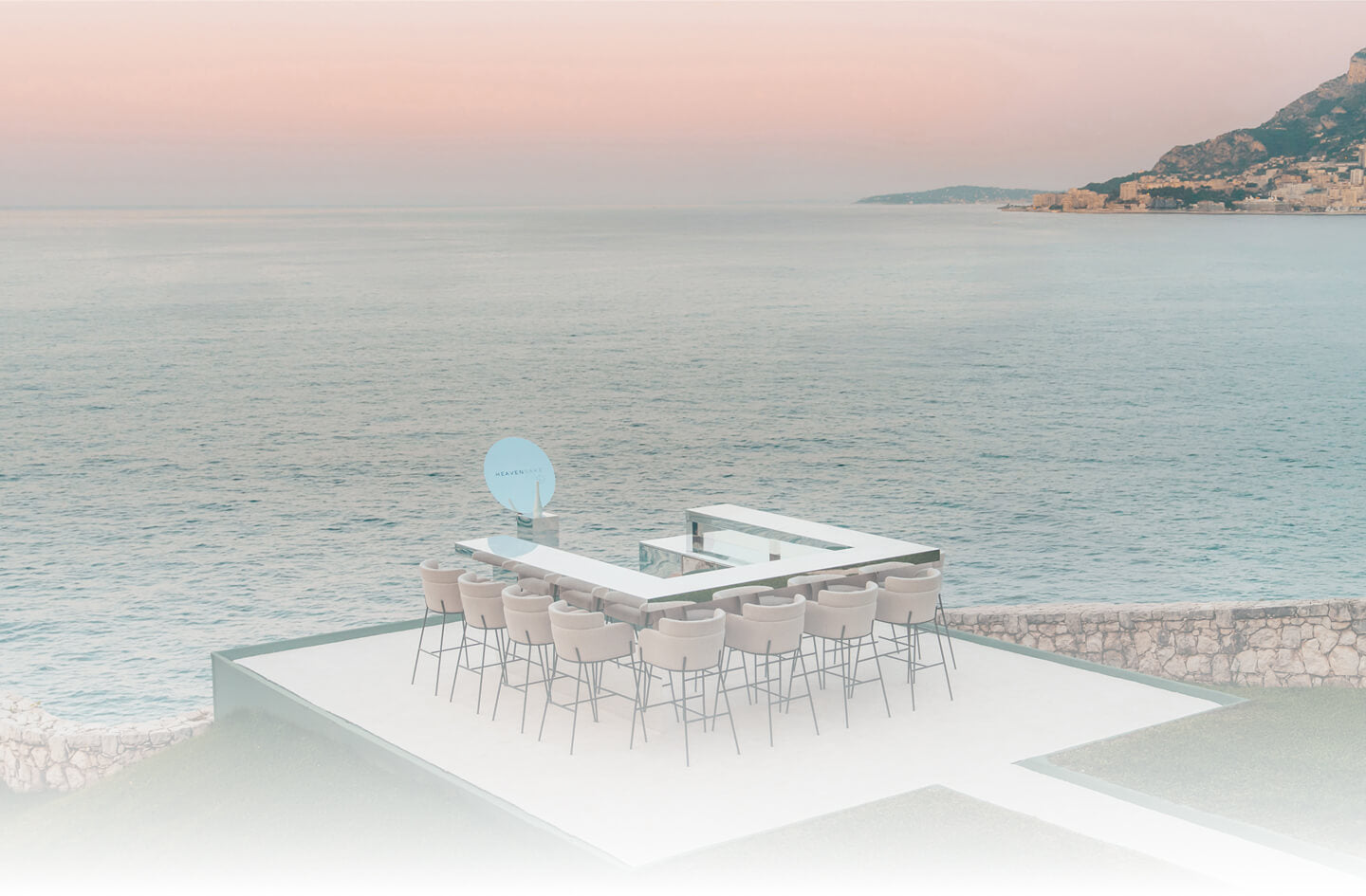
THE REVOLUTION BEGAN IN 2016, WHEN FRENCH CELLAR MASTER RÉGIS CAMUS DISCOVERED SAKE'S UNTAPPED POTENTIAL. NOT AS TRADITION FROZEN IN TIME, BUT AS LIQUID POETRY
WAITING TO BE COMPOSED.
WHAT IF CHAMPAGNE'S ART OF ASSEMBLAGE COULD UNLOCK NEW HARMONIES IN JAPAN'S ANCIENT CRAFT? IF EAST AND WEST COULD CREATE SOMETHING NEITHER COULD ACHIEVE ALONE?
HEAVENSAKE WAS BORN FROM THIS CURIOSITY
BUILDING A BRIDGE BETWEEN CULTURES.
"PURE ELEVATION" SHARED ACROSS CONTINENTS.


RÉGIS CAMUS & NIIZAWA
JUNMAI DAIGINJO
Ships within 1 to 2 business days
Consumption of alcohol by persons under 21 is prohibited by law.
- SHIPPING
- Orders are fulfilled by Sipsy or our licensed retail partners.
- RETURNS & EXCHANGES
- For an incorrect, spoiled or contaminated item, email flow@heavensake.com on the day it arrives and include photographs. Please check your item as soon as it arrives to ensure there are no defects. Report delivery damage to the carrier at delivery and keep the item and its packaging. Returns and refunds follow Sipsy's policy.


FAQ
- WHAT DOES LABEL NOIR TASTE LIKE?
- Cantaloupe, tangerine and lychee on the nose, with floral notes and ripe apple. Refreshing acidity, minerality and ripe fruit on the palate, with a light mouthfeel and lingering finish.
- WHO BREWED LABEL NOIR AND WHAT IS THE STORY OF NIIZAWA BREWERY?
- LABEL NOIR is composed by Régis Camus with Niizawa Brewery in Miyagi, Japan. Rebuilt after the 2011 earthquake, Niizawa appointed Nanami Watanabe as Toji in 2018. At 22, she was then the youngest female Toji in Japan.
- WHAT FOOD PAIRS BEST WITH LABEL NOIR?
- Its floral delicacy and minerality are a perfect match for uni, lobster, caviar, pata negra, iberico ham, and Parmigiano Reggiano.
- SHOULD LABEL NOIR BE SERVED CHILLED?
- Yes. Serve Label Noir at 45 to 50°F (7 to 10°C) in a white wine glass to preserve its delicate floral aromatics and fruity freshness.
- HOW LONG CAN I KEEP LABEL NOIR AFTER OPENING?
- Store upright in the fridge; Label Noir stays fresh for up to 2 weeks after opening.