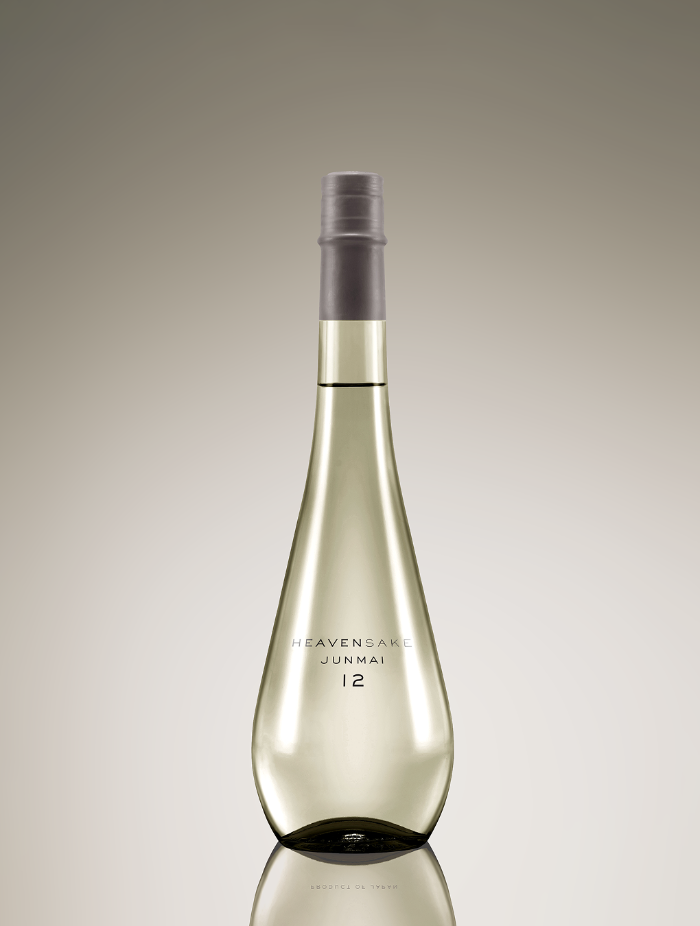
LABEL AZUR
LABEL AZUR
RÉGIS CAMUS & DEWAZAKURA
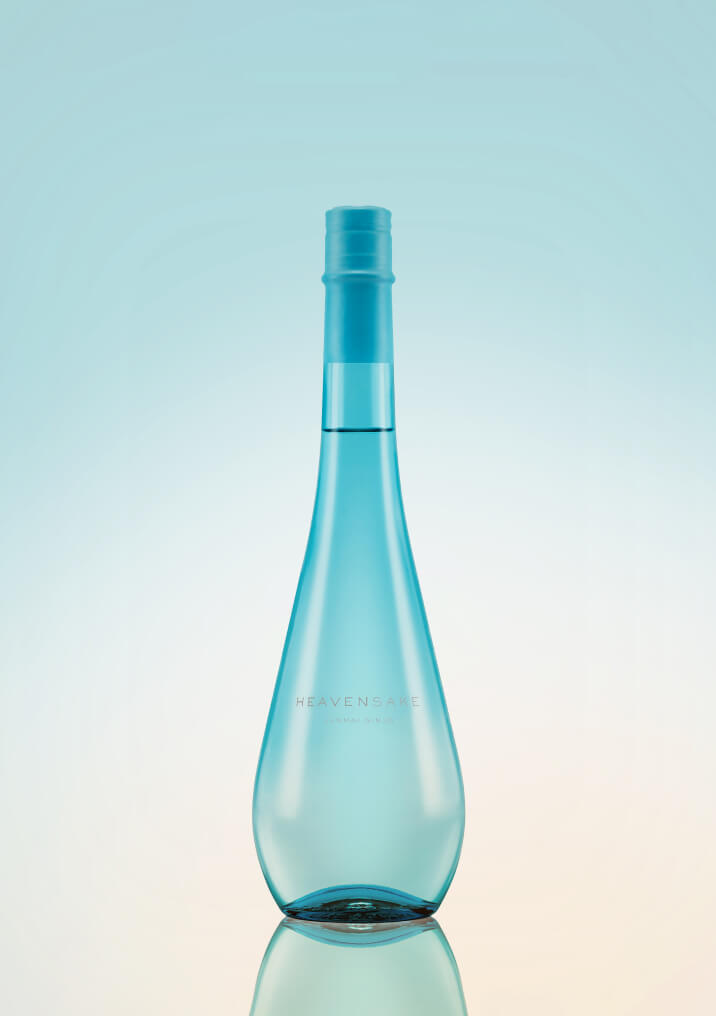
LIVELY, MINERAL, FRESH FRUIT
LABEL AZUR IS OUR JUNMAI GINJO WITH DEWAZAKURA, FROM THE SNOWY VALLEYS OF YAMAGATA. THE NOSE OPENS ON GREEN APPLE AND FRESH MINT. PEAR AND WHITE GRAPE FOLLOW ON THE PALATE, WITH MINERAL CHARACTER, MODERATE ACIDITY AND A SILKY, DRY FINISH. RÉGIS CAMUS COMPOSES LABEL AZUR FROM SEVERAL OF DEWAZAKURA’S EXPRESSIONS. SERVE IT CHILLED WITH SPRING VEGETABLES, SASHIMI OR GOAT CHEESE.
CHARACTERISTICS
| Alcohol | 15% |
|---|---|
| Volume | 720ml |
| Category | Junmai Ginjo |
| Taste Profile | Fruity & mineral |
| Rice Polishing Ratio | 50% |
| Acidity | 1.5 |
| Sake Meter Value (SMV) | +2 |
TASTING NOTES
AROMA: PEAR, APPLE AND GRAPE
TASTE: LIVELY WITH POME FRUITS, MINERALITY AND A SILKY FINISH
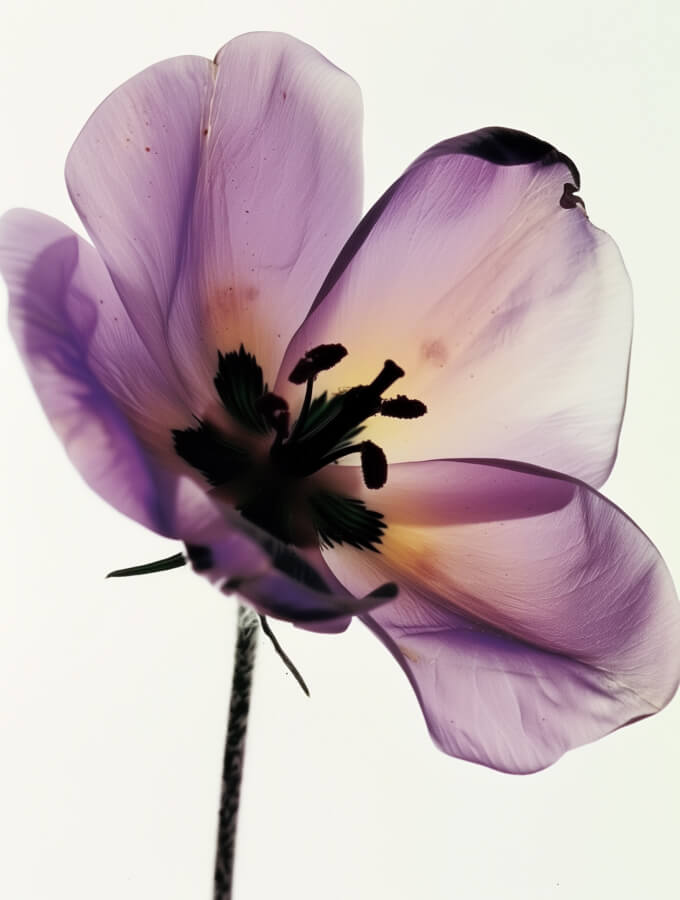
AROMA
GREEN APPLE AND FRESH MINT, WITH PEAR AND WHITE GRAPE BEHIND
TASTE
FRUITY LIKE WESTERN PEAR, APPLE, AND GRAPE, YET SOMEWHAT DRY WITH MODERATE ACIDITY AND SMOOTH DRINKABILITY. FILLED WITH DELICATE YET RICH FLAVORS AND A HINT OF MINT.
PAIRINGS
SALADS
SEAFOOD
LANGOUSTINE
REFRESHING APPETIZERS
SERVE & STORE
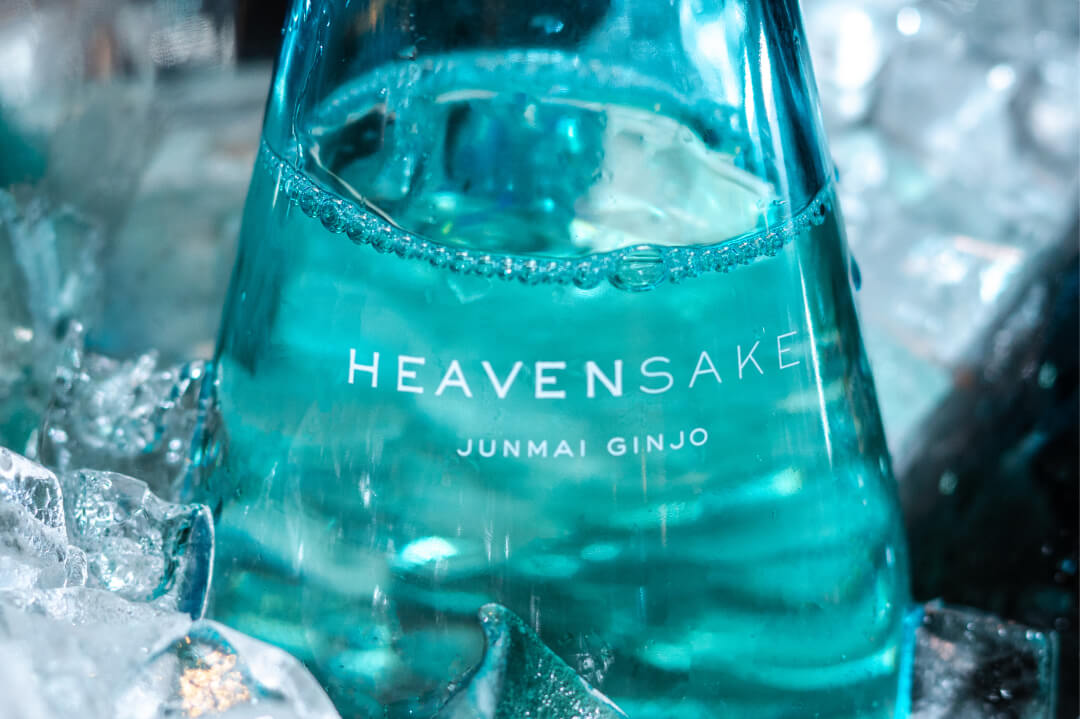
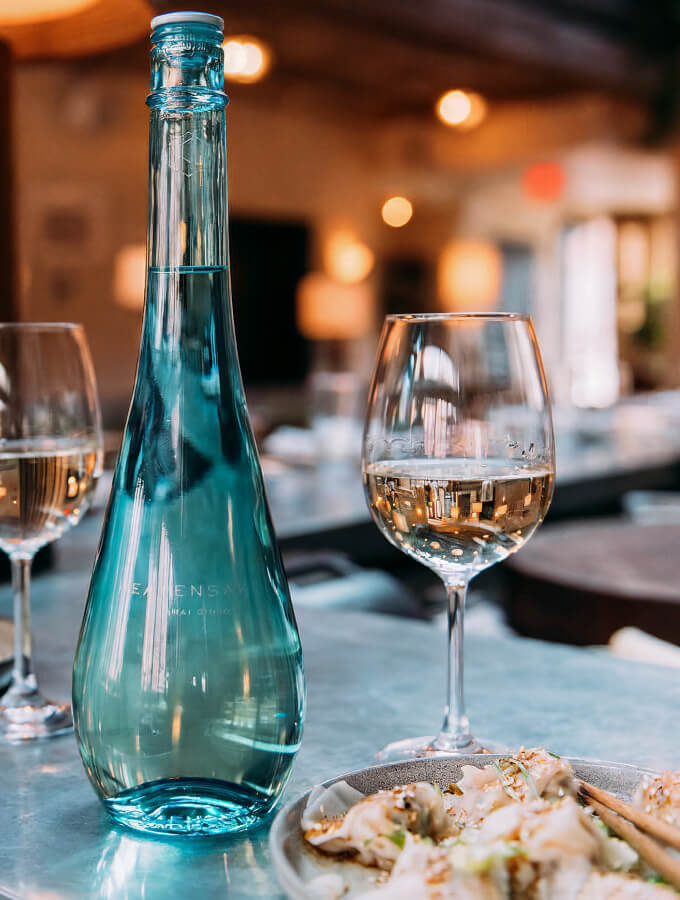
SERVE CHILLED IN A WINE GLASS.
STORE UPRIGHT IN A FRIDGE OR COOL AND DARK PLACE.
ENJOYABLE UP TO 4 WEEKS AFTER OPENING.
OUR BREWING PARTNER

- DEWAZAKURA
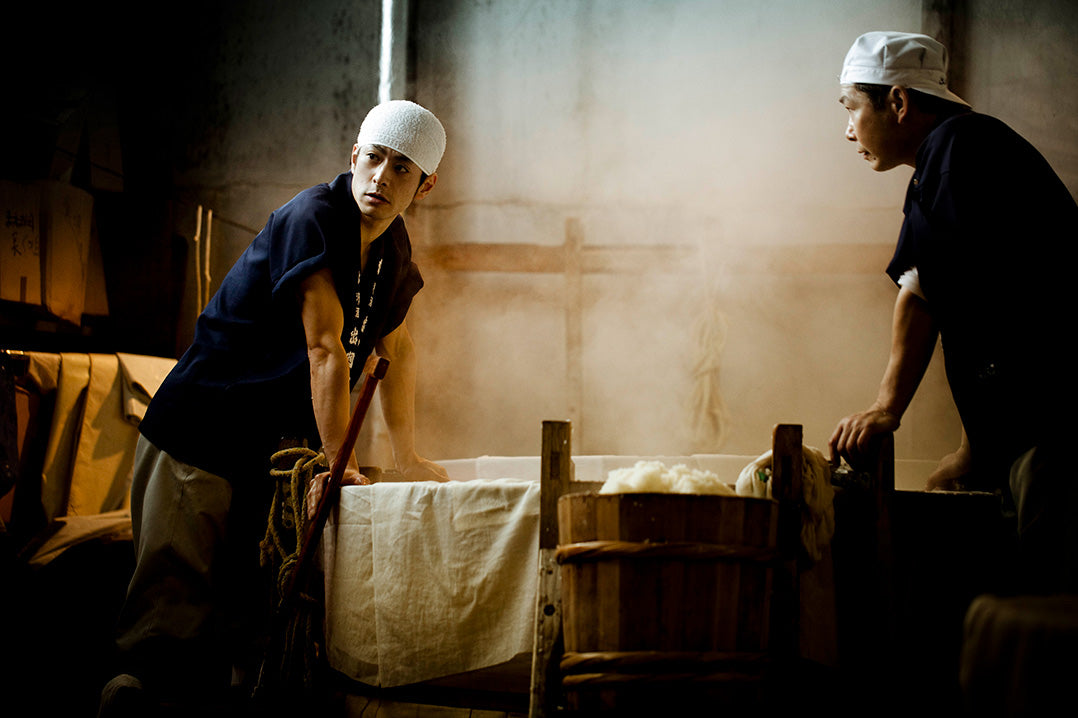
- IN THE SNOWY VALLEYS OF YAMAGATA, DEWAZAKURA HAS BREWED SAKE SINCE 1892. IN 1980, IT RELEASED OKA GINJO TO THE PUBLIC, BRINGING GINJO SAKE, THEN MADE MAINLY FOR COMPETITIONS, TO A WIDER AUDIENCE. TODAY, RÉGIS CAMUS COMPOSES LABEL AZUR WITH THE BREWERY THROUGH ASSEMBLAGE.
OUR JOURNEY
THE REVOLUTION BEGAN IN 2016, WHEN FRENCH CELLAR MASTER RÉGIS CAMUS DISCOVERED SAKE'S UNTAPPED POTENTIAL. NOT AS TRADITION FROZEN IN TIME, BUT AS LIQUID POETRY
WAITING TO BE COMPOSED.
WHAT IF CHAMPAGNE'S ART OF ASSEMBLAGE COULD UNLOCK NEW HARMONIES IN JAPAN'S ANCIENT CRAFT? IF EAST AND WEST COULD CREATE SOMETHING NEITHER COULD ACHIEVE ALONE?
HEAVENSAKE WAS BORN FROM THIS CURIOSITY
BUILDING A BRIDGE BETWEEN CULTURES.
"PURE ELEVATION" SHARED ACROSS CONTINENTS.


RÉGIS CAMUS & DEWAZAKURA
JUNMAI GINJO
Ships within 1 to 2 business days
Consumption of alcohol by persons under 21 is prohibited by law.
- SHIPPING
- Orders are fulfilled by Sipsy or our licensed retail partners.
- RETURNS & EXCHANGES
- For an incorrect, spoiled or contaminated item, email flow@heavensake.com on the day it arrives and include photographs. Please check your item as soon as it arrives to ensure there are no defects. Report delivery damage to the carrier at delivery and keep the item and its packaging. Returns and refunds follow Sipsy's policy.


FAQ
- HOW LONG DOES LABEL AZUR KEEP AFTER OPENING?
- Once open, store LABEL AZUR upright in the fridge, where it stays fresh for up to 4 weeks.
- HOW LONG DOES HEAVENSAKE REMAIN IN PEAK CONDITION BEFORE OPENING?
- We recommend consuming HEAVENSAKE within 12-18 months of its bottling date.
- WHY DO YOU RECOMMEND SERVING HEAVENSAKE IN A WINE GLASS INSTEAD OF THE TRADITIONAL SMALL CERAMIC CUP?
- We serve HEAVENSAKE chilled, in a white wine glass. The bowl gives its aromas room to gather, while the stem helps keep the sake cool.
- WHAT IS THE DIFFERENCE BETWEEN JUNMAI, GINJO, AND DAIGINJO SAKE?
- Junmai means no distilled alcohol is added. Ginjo and Daiginjo refer to brewing methods as well as rice polishing: Ginjo uses rice polished to 60% or less of its original weight, and Daiginjo to 50% or less. LABEL AZUR is a Junmai Ginjo. The grade is one part of a sake’s character; taste, texture and food pairing help you choose the bottle you will enjoy.
- SHOULD LABEL AZUR BE SERVED CHILLED?
- We recommend serving LABEL AZUR chilled, at 7 to 10°C (45 to 50°F), in a white wine glass to enjoy its fruit and floral aromas. Serving temperature varies by sake and personal preference.
- DOES SAKE AGE LIKE WINE?
- LABEL AZUR is intended to be enjoyed for its fresh fruit and floral character. Store it upright in a cool, dark place or in the fridge. Some sakes are deliberately matured, but that is a different style from the freshness we seek in LABEL AZUR.
- DOES A LOWER RICE POLISHING RATIO ALWAYS MEAN A BETTER SAKE?
- The polishing ratio tells you how much of each grain remains after milling. It does not, on its own, tell you how a sake will taste or which bottle you will enjoy. Rice, water, yeast, brewing methods and Assemblage all help shape HEAVENSAKE’s expressions. The rice for LABEL AZUR is polished to 50%.