


LABEL 12
LABEL 12
RÉGIS CAMUS & KONISHI
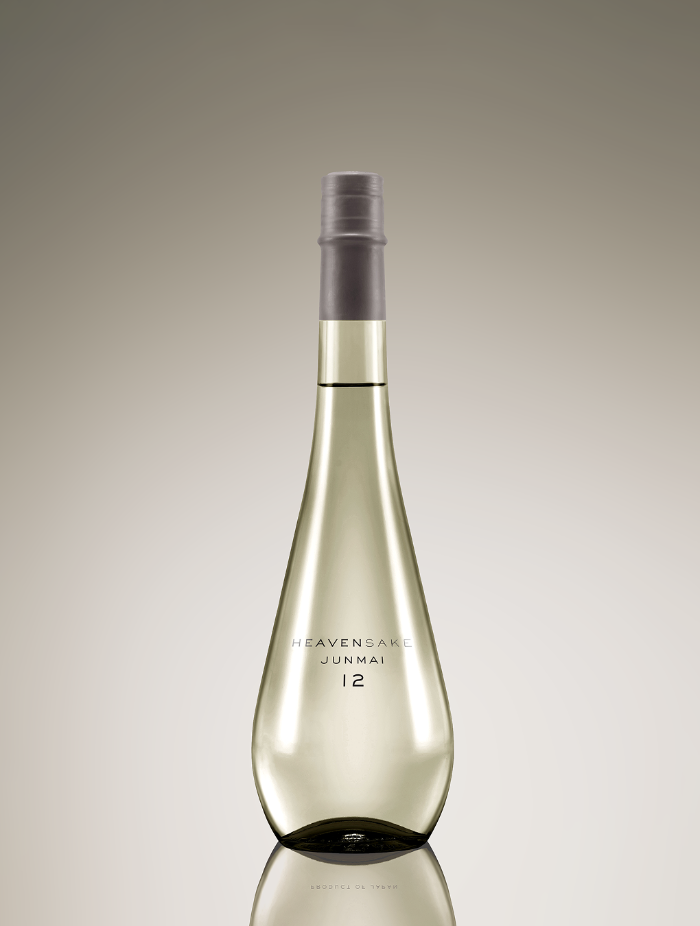
SAVORY AND SMOOTH
COMPOSED BY RÉGIS CAMUS WITH KONISHI BREWERY IN ITAMI, LABEL 12 IS A SAVORY, SMOOTH JUNMAI SAKE. SALTED CARAMEL AND KUMQUAT MEET ALMOND AND CACAO, WITH A MINERAL PALATE AND A BRIGHT, LINGERING FINISH. OPEN IT WITH TUNA TARTARE, RISOTTO OR PIZZA MARGHERITA; ITS CACAO NOTES ALSO INVITE A PAIRING WITH CHOCOLATE.
CHARACTERISTICS
| Alcohol | 12% |
|---|---|
| Volume | 720ml |
| Category | Junmai |
| Taste Profile | Savory & smooth |
| Rice Polishing Ratio | 70% |
| Acidity | 1.7 |
| Sake Meter Value (SMV) | +2 |
TASTING NOTES
AROMA: SALTED CARAMEL, KUMQUAT, ALMOND, CACAO
TASTE: SAVORY AND MINERAL, ROUND ON THE PALATE WITH PLEASING PASTRY NOTES AND A BRIGHT FRESH FINISH
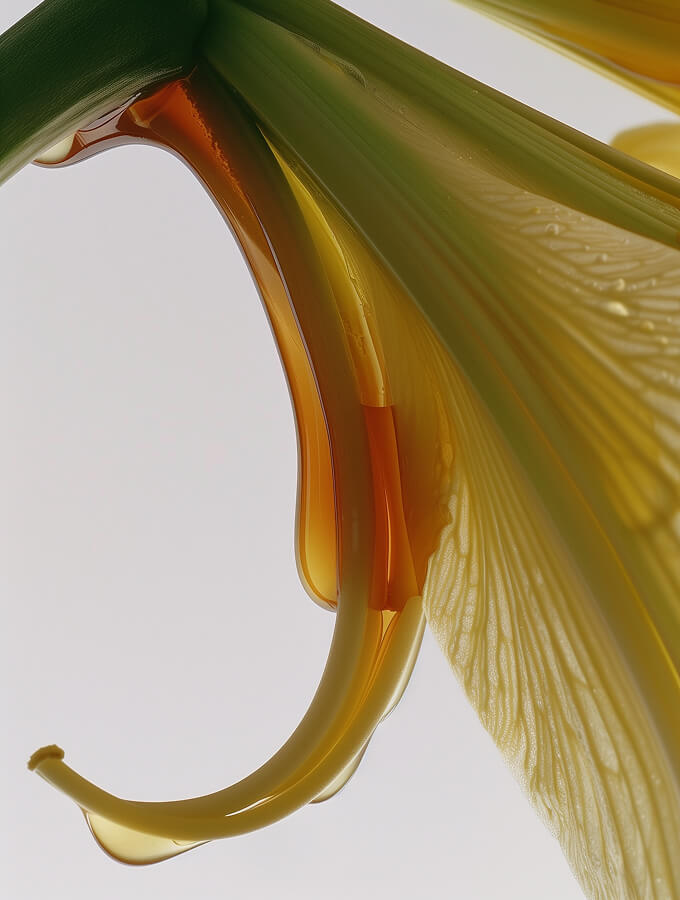
AROMA
VERY GENTLE NOSE OF HAY, BUTTERSCOTCH, NOUGAT, AND STEAMED RICE, ALONGSIDE SALTED CARAMEL, CACAO, KUMQUAT AND ALMOND.
TASTE
SALTED CARAMEL NOTES WITH A BRIGHT, FRESH FINISH. SMOOTH, LIGHT, AND COMPACT WITH SUBTLE YET COMPLEX FLAVORS SUCH AS PERSIMMON, APRICOT, CHICORY, DARK CHOCOLATE, AND CARAMEL. THERE IS A SLIGHT BITTERNESS IN THE FINISH, AND RICE-DRIVEN ELEMENTS EMERGE AS IT WARMS IN THE GLASS.
LIGHT-BODIED BUT RICH, ROUNDED AND SAVORY YET DRY WITH A BRIGHT MINERAL FINISH, WITH NOTES OF CREME BRULEE, MILK CHOCOLATE, COCONUT, CREAM, BANANA, AND STRAWBERRY. THIS WELL-BALANCED COMPOSITION DELIVERS A WONDERFULLY SAVORY FLAVOR WITH NUTTY NOTES THAT END IN A BRIGHT, FRESH FINISH.
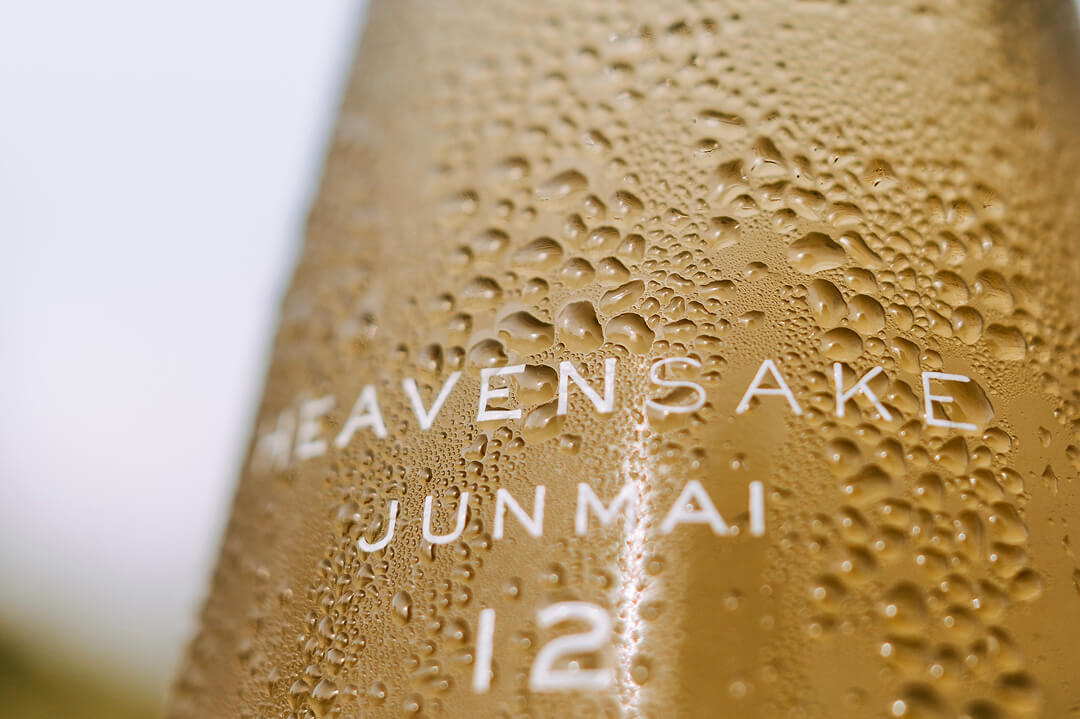
PAIRINGS
TUNA TARTARE
SHRIMP COCKTAIL
RISOTTO
PIZZA MARGHERITA
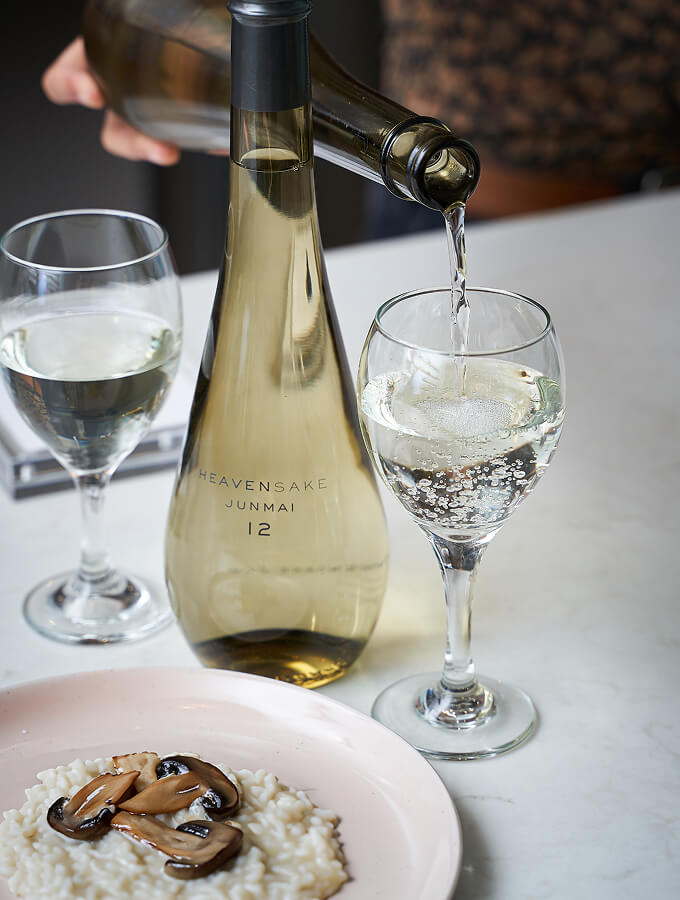
HOW TO SERVE AND STORE
SERVE CHILLED IN A WINE GLASS.
STORE UPRIGHT IN A FRIDGE OR COOL AND DARK PLACE.
ENJOYABLE UP TO 4 WEEKS AFTER OPENING.
OUR BREWING PARTNER

- KONISHI
- ITAMI IS WHERE SAKE ITSELF WAS BORN, AND KONISHI HAVE BEEN BREWING THERE SINCE 1550. FIFTEEN GENERATIONS HAVE INHERITED AND REFINED A SINGLE VISION: TO PRESERVE THE ESSENCE OF THEIR CRAFT WHILE REINVENTING IT AS SOMETHING ENDLESSLY NEW. THIS PROUD HERITAGE IS REFLECTED IN THEIR SAKE, A LIQUID EMBODIMENT OF GRACE AND RIGOR. CENTURIES LATER, THEIR SPIRIT WAS REINTERPRETED BY RÉGIS CAMUS, WITH AN ASSEMBLAGE THAT BREATHES FRESH COMPLEXITY INTO THEIR TIME-HONORED BREW. TRADITION DOESN’T NEED TO STAND STILL TO STAY TRUE.

AWARDS

OUR JOURNEY
THE REVOLUTION BEGAN IN 2016, WHEN FRENCH CELLAR MASTER RÉGIS CAMUS DISCOVERED SAKE'S UNTAPPED POTENTIAL. NOT AS TRADITION FROZEN IN TIME, BUT AS LIQUID POETRY
WAITING TO BE COMPOSED.
WHAT IF CHAMPAGNE'S ART OF ASSEMBLAGE COULD UNLOCK NEW HARMONIES IN JAPAN'S ANCIENT CRAFT? IF EAST AND WEST COULD CREATE SOMETHING NEITHER COULD ACHIEVE ALONE?
HEAVENSAKE WAS BORN FROM THIS CURIOSITY
BUILDING A BRIDGE BETWEEN CULTURES.
"PURE ELEVATION" SHARED ACROSS CONTINENTS.


RÉGIS CAMUS & KONISHI
Ships within 1 to 2 business days
Consumption of alcohol by persons under 21 is
prohibited by law.
- SHIPPING
- Orders are fulfilled by Sipsy or our licensed retail partners.
- RETURNS & EXCHANGES
- For an incorrect, spoiled or contaminated item, email flow@heavensake.com on the day it arrives and include photographs. Please check your item as soon as it arrives to ensure there are no defects. Report delivery damage to the carrier at delivery and keep the item and its packaging. Returns and refunds follow Sipsy's policy.


FAQ
- WHAT DOES LABEL 12 TASTE LIKE?
- Nose: salted caramel, cacao, kumquat, and almond. Palate: savory and mineral, light-bodied but rich, with notes of dark chocolate, persimmon, and crème brûlée. A bright, fresh finish that lingers.
- WHO BREWED LABEL 12 AND WHAT IS THE STORY OF KONISHI?
- LABEL 12 is composed by Régis Camus with Konishi, the family-owned brewery that has brewed sake in Itami, Hyogo, since 1550. Together they shape this savory Junmai through Assemblage.
- WHAT FOOD PAIRS BEST WITH LABEL 12?
- The most versatile label in the range: pairs beautifully with tuna tartare, shrimp cocktail, risotto, pizza margherita, oysters and even chocolate. Perfect for casual occasions and summer lunches.
- HOW LONG CAN I KEEP LABEL 12 AFTER OPENING?
- Store upright in the fridge; Label 12 stays fresh for up to 4 weeks after opening.


