LABEL ORANGE
LABEL ORANGE
RÉGIS CAMUS & URAKASUMI
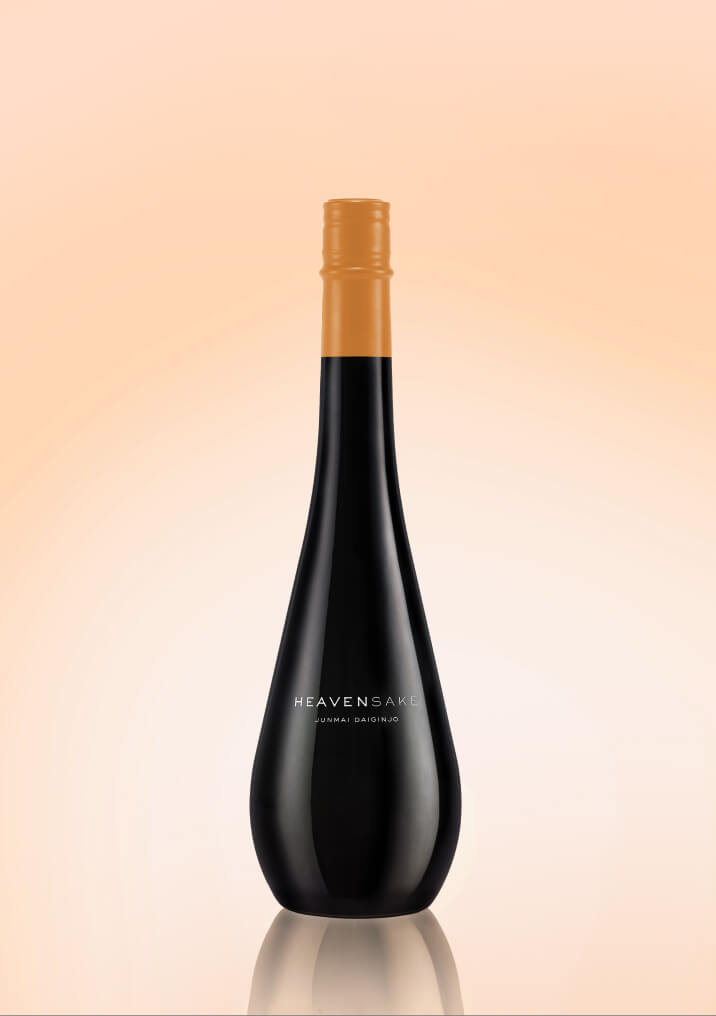
RICH, COMPLEX AND SILKY
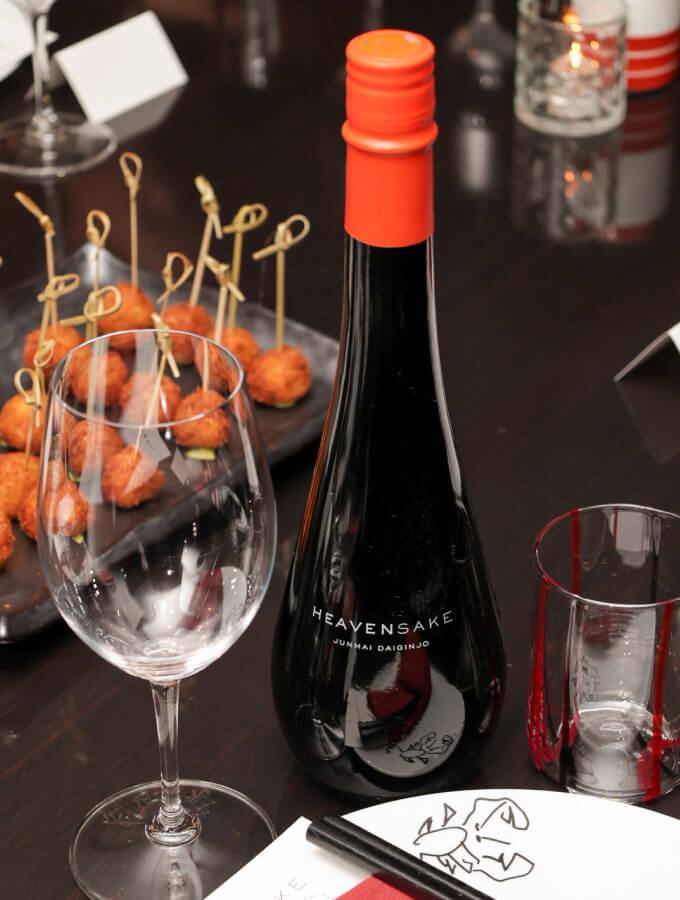
THIS SAKE CARRIES AN UNDERCURRENT OF UMAMI THAT GROUNDS EVERY SIP. AS YOU SETTLE INTO THAT EARTHINESS, FRUIT EMERGES: HINTS OF PINEAPPLE, LYCHEE, A FLASH OF MELON DANCING ACROSS THE PALATE. IT'S A BALANCING ACT OF ASSEMBLAGE, LAYERING URAKASUMI'S COMPLEX EXPRESSIONS TO UNLOCK FLAVORS THAT EXISTED IN POTENTIAL BUT NEVER IN UNISON. THE RESULT IS A JUNMAI DAIGINJO THAT PAIRS AS BEAUTIFULLY WITH FATTY TUNA AND UNI AS IT DOES WITH AGED COMTÉ OR ROASTED DUCK. SOPHISTICATED ENOUGH FOR THE MOST DISCERNING PALATE, YET EFFORTLESSLY INVITING.
CHARACTERISTICS
| Alcohol | 16.3% |
|---|---|
| Volume | 720ml |
| Category | Junmai Daiginjo |
| Taste Profile | Rich & Dry |
| Rice Polishing Ratio | 40-45% |
TASTING NOTES
AROMA: PINEAPPLE, LYCHEE, GREEN APPLE,
MELON, BLOSSOM, WHITE LILY, HINTS OF DRIED FRUIT
TASTE: SLIGHTLY RICH AND DRY, COMPLEX UMAMI, SILKY TEXTURE
AROMA
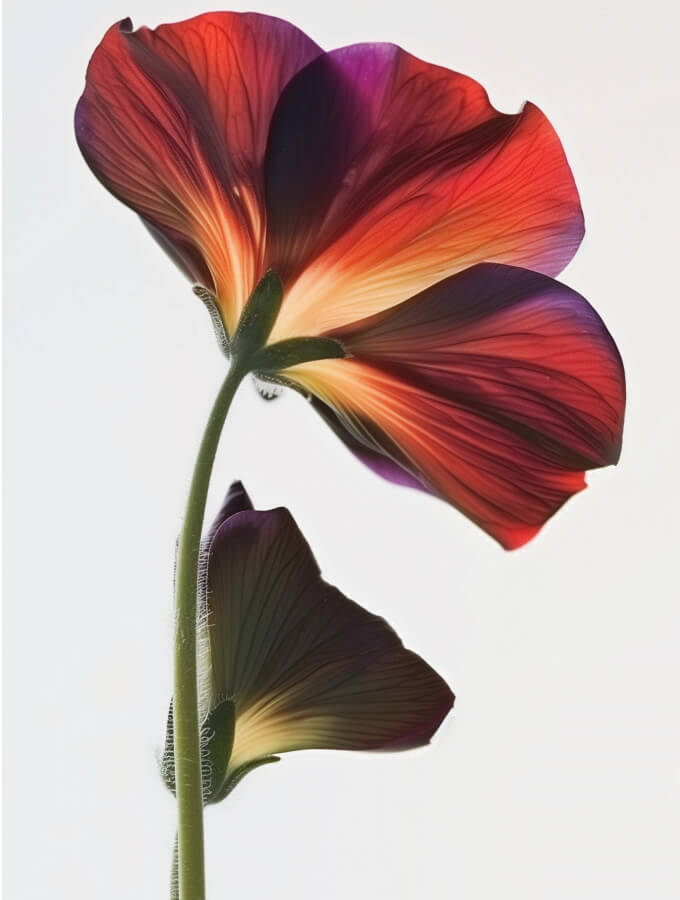
OPENS WITH DELICATE NOTES OF PINEAPPLE, LYCHEE, GREEN APPLE, MELON, BLOSSOM, AND WHITE LILY, OVERLAYING HINTS OF DRIED FRUIT AND STEAMED RICE. FRESH AND VIVIDLY FRUITY, COMPLEMENTED BY SUBTLE CREAMY VANILLA SWEETNESS, PEAR, AND HINTS OF JASMINE AND SPICE.
TASTE
PERFECT BALANCE BETWEEN THE PURITY OF JUNMAI SAKE AND A CRISP WINE-LIKE EXPERIENCE. THE PALATE FEATURES A SILKY SMOOTH TEXTURE, SLIGHTLY RICH AND DRY WITH COMPLEX LAYERED UMAMI AND SMOOTH ACIDITY. FRESH PINEAPPLE AND LYCHEE FRUIT FLAVORS SPREAD ACROSS THE PALATE, ACCOMPANIED BY ELEGANT FLORAL NOTES.
THE FINISH IS DISTINCTLY REFINED WITH SUBTLE HINTS OF DRIED FRUIT DEEPENING THE AFTERTASTE, LEAVING A SOPHISTICATED IMPRESSION.
PAIRINGS
LOBSTER
CEVICHE
OYSTERS
SERVE & STORE
SERVE CHILLED IN A WINE GLASS.
STORE UPRIGHT IN A FRIDGE OR COOL AND DARK PLACE.
ENJOYABLE UP TO 2 WEEKS AFTER OPENING.
OUR BREWING PARTNER

- URAKASUMI
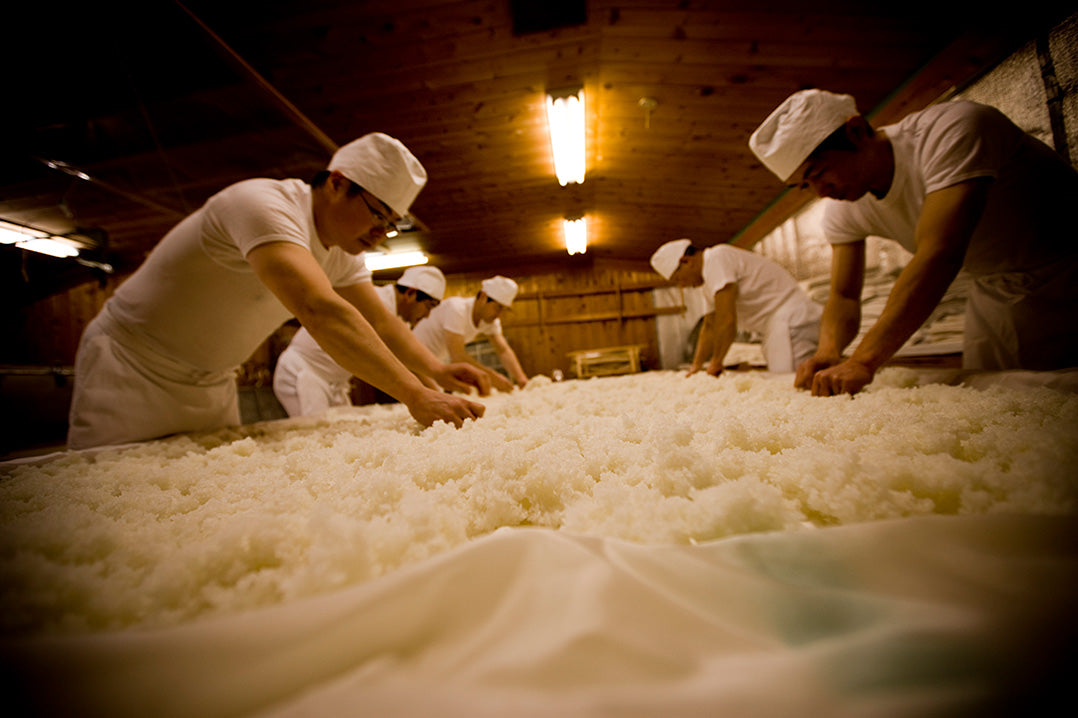
- FOUNDED IN 1724 IN SHIOGAMA, URAKASUMI EMBODIES THE HARMONY BETWEEN LAND AND SEA, TRADITION AND INNOVATION. LED BY SAURA-SAN, ONE OF JAPAN’S MOST ICONIC SAKE MASTERS, THE BREWERY IS FAMED FOR ITS SACRED SAKE BREWED FOR THE SHIOGAMA SHRINE AND ITS SIGNATURE KYOKAI NO.12 YEAST. THROUGH CENTURIES OF CHANGE, URAKASUMI HAS REMAINED TRUE TO ITS PHILOSOPHY: HONOR THE PAST, NEVER FEAR THE FUTURE. LABEL ORANGE, OUR JUNMAI DAIGINJO, CAPTURES THIS SPIRIT, THE TRUE ESSENCE OF COASTAL JAPAN
AWARDS

OUR JOURNEY
THE REVOLUTION BEGAN IN 2016, WHEN FRENCH CELLAR MASTER RÉGIS CAMUS DISCOVERED SAKE'S UNTAPPED POTENTIAL. NOT AS TRADITION FROZEN IN TIME, BUT AS LIQUID POETRY
WAITING TO BE COMPOSED.
WHAT IF CHAMPAGNE'S ART OF ASSEMBLAGE COULD UNLOCK NEW HARMONIES IN JAPAN'S ANCIENT CRAFT? IF EAST AND WEST COULD CREATE SOMETHING NEITHER COULD ACHIEVE ALONE?
HEAVENSAKE WAS BORN FROM THIS CURIOSITY
BUILDING A BRIDGE BETWEEN CULTURES.
"PURE ELEVATION" SHARED ACROSS CONTINENTS.


RÉGIS CAMUS & URAKASUMI
JUNMAI DAIGINJO
Ships within 1 to 2 business days
Consumption of alcohol by persons under 21 is prohibited by law.
- SHIPPING
- Orders are fulfilled by Sipsy or our licensed retail partners.
- RETURNS & EXCHANGES
- For an incorrect, spoiled or contaminated item, email flow@heavensake.com on the day it arrives and include photographs. Please check your item as soon as it arrives to ensure there are no defects. Report delivery damage to the carrier at delivery and keep the item and its packaging. Returns and refunds follow Sipsy's policy.


FAQ
- WHAT MAKES LABEL ORANGE RICH AND COMPLEX?
- Label Orange is assembled from multiple expressions of Urakasumi, founded in 1724. Régis Camus layers pineapple, lychee and melon over a base of complex umami for a silky depth.
- WHAT DOES LABEL ORANGE TASTE LIKE?
- Nose: pineapple, lychee, green apple, white blossoms, hints of dried fruit. Palate: silky, slightly rich and dry, with layered umami and smooth acidity. The finish deepens with subtle dried fruit nuances.
- WHO BREWED LABEL ORANGE AND WHAT IS THE STORY OF URAKASUMI?
- Founded in 1724 in Shiogama, Urakasumi brews the sacred sake for the Shiogama Shrine. Led by Saura-san, one of Japan's most iconic sake masters, its philosophy is simple: honor the past, never fear the future.
- WHAT FOOD PAIRS BEST WITH LABEL ORANGE?
- Its umami complexity and silky texture make it ideal with lobster, ceviche, oysters, fatty tuna, uni, aged comté, and roasted duck.
- IS LABEL ORANGE SWEET?
- No. Label Orange finishes dry. Despite its perceived richness, it is balanced and not sweet.
- HOW LONG CAN I KEEP LABEL ORANGE AFTER OPENING?
- Store upright in the fridge; Label Orange stays fresh for up to 2 weeks after opening.